Alliance for Integrated Security
Europe’s Geopolitical Security in a Multipolar World
Alliance for Integrated Security: Europe’s Geopolitical Security in a Multipolar World
May 8, 2026
Berlin
International crises and conflicts are becoming increasingly interconnected. Russia is waging war in Europe. The future of transatlantic relations is uncertain. In response, Europe, and Germany in particular, must take greater responsibility for its own security.
At the same time, security today means more than defense alone. The Alliance for Integrated Security, initiated by Global Perspectives, adopts this broader perspective by examining the interactions and mutual shaping of climate, health, migration, technology, and economic policy.
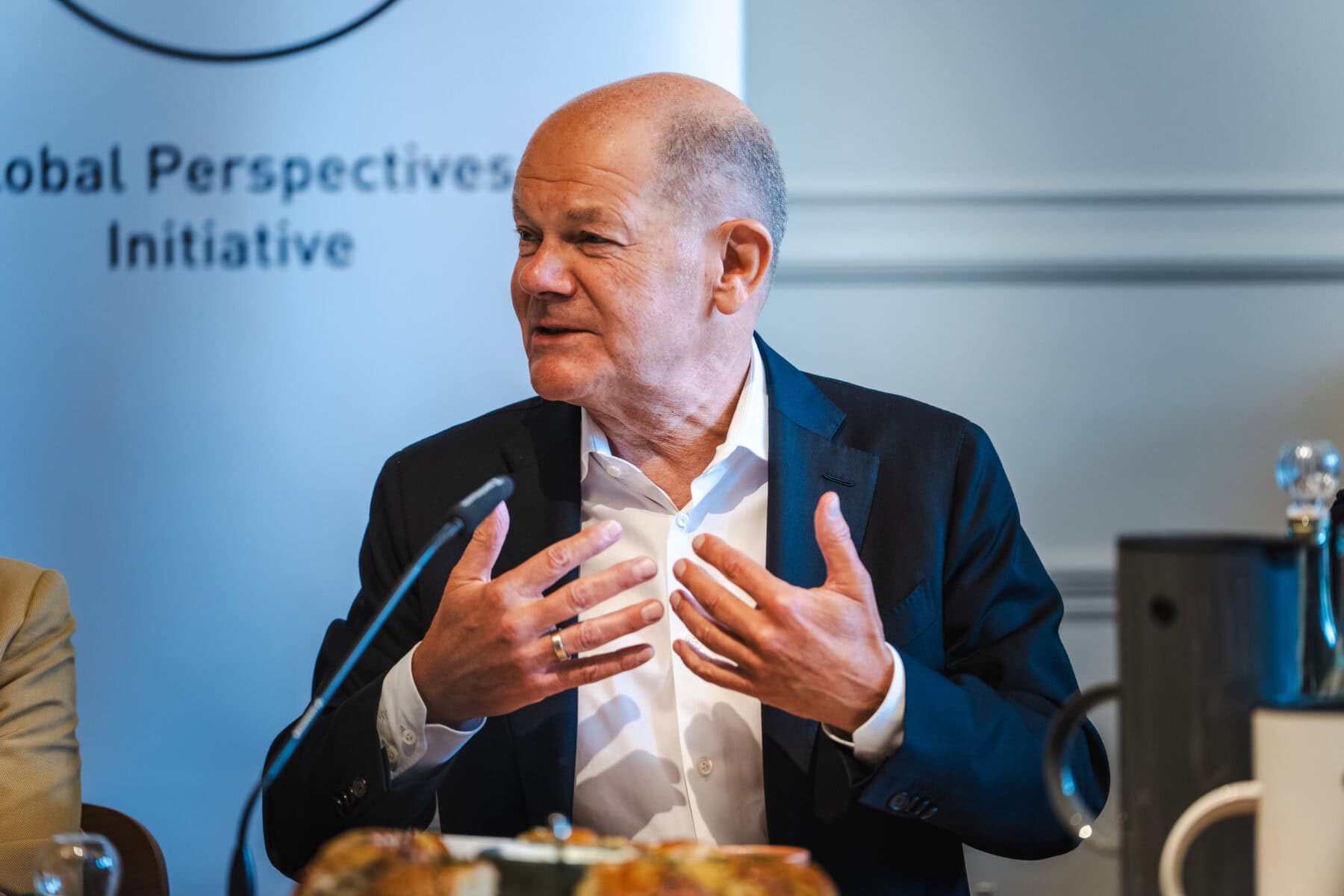
Olaf Scholz, Federal Chancellor (ret.)
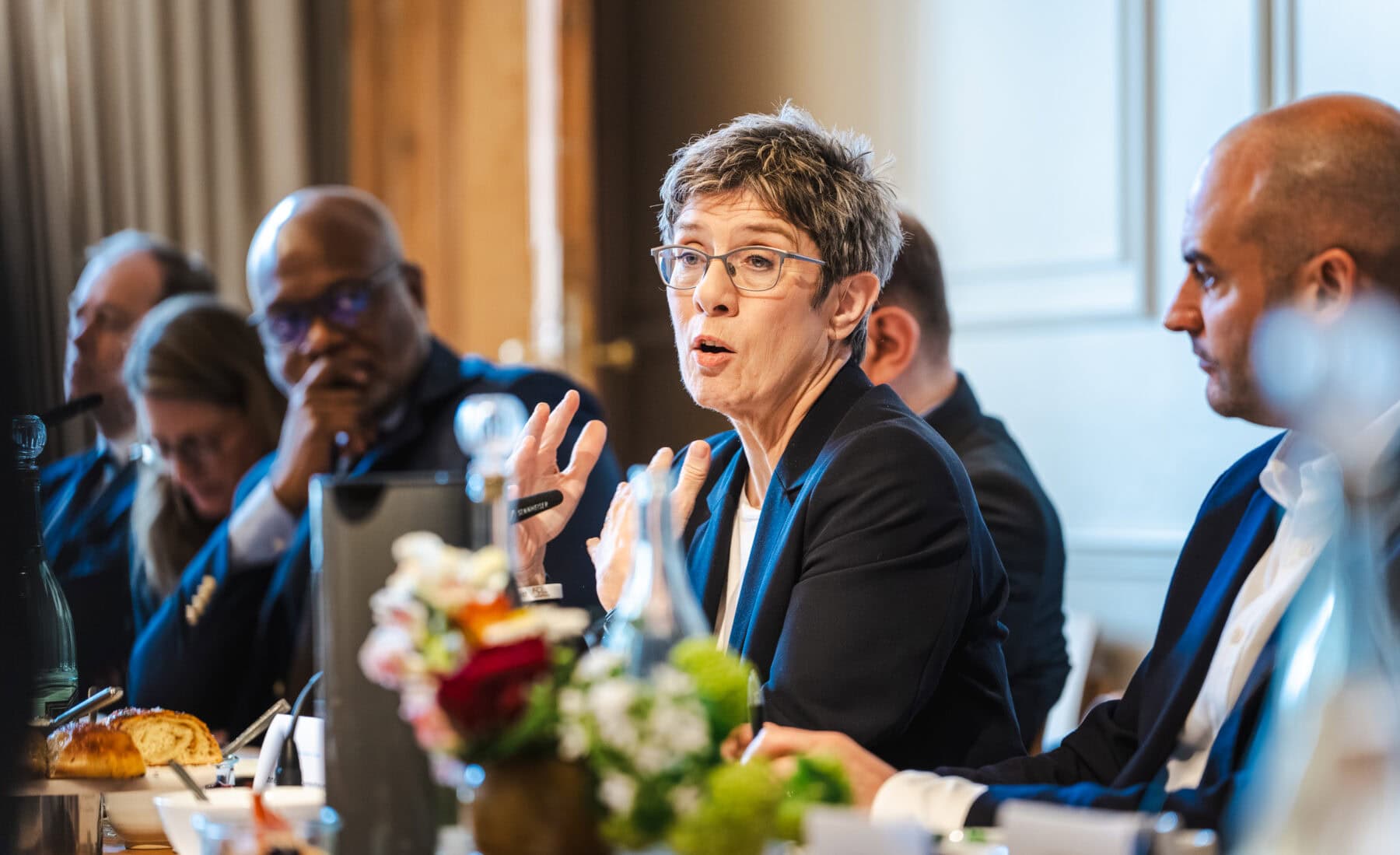
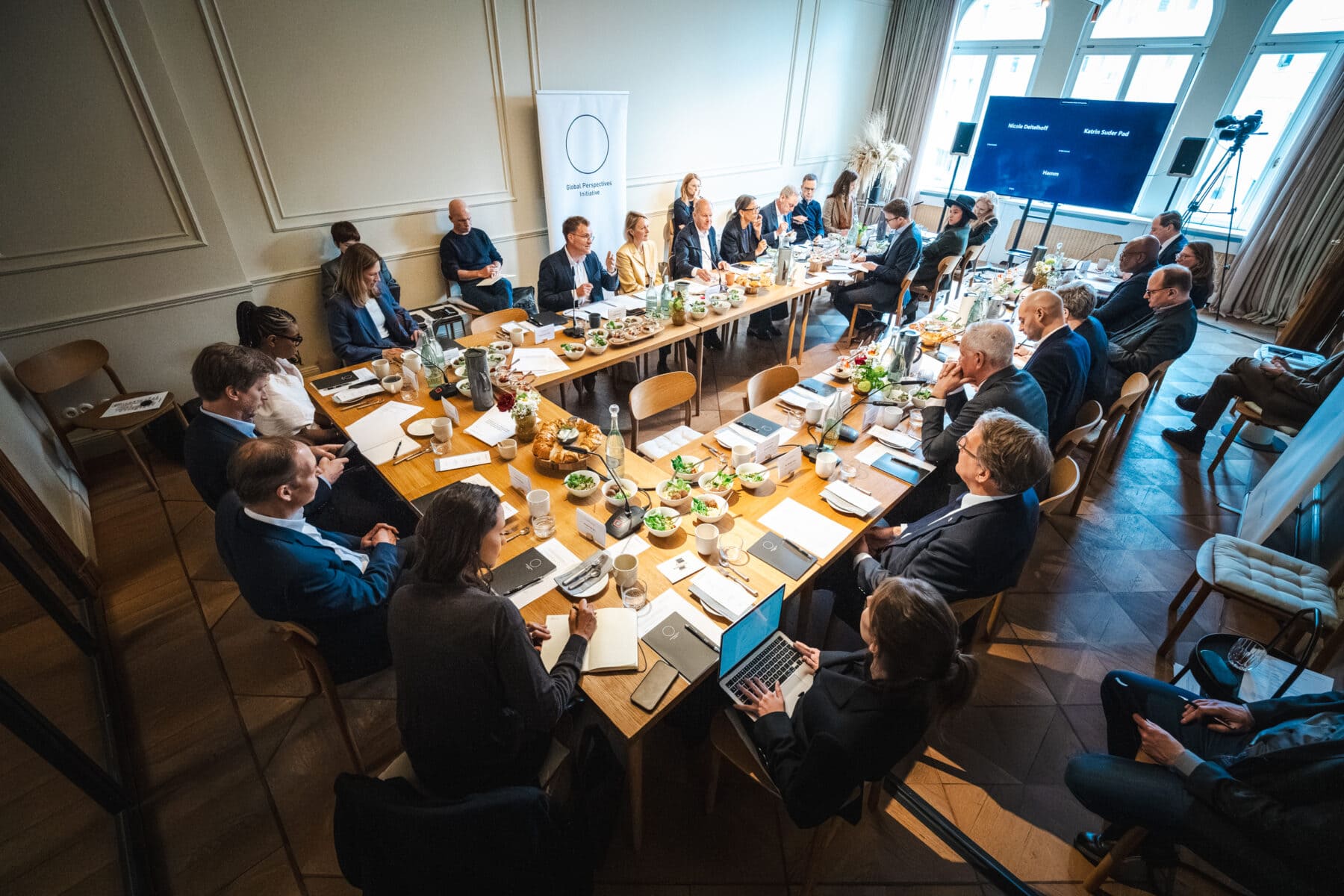
Methodology
The Alliance operates in three phases: assessing the status quo, identifying potential courses of action, and developing concrete recommendations. Foresight methods and scenario planning help identify emerging developments early on and challenge established assumptions. Learning and dialogue trips, especially those to countries across the African continent, complement this work by providing on-the-ground perspectives.
Structure
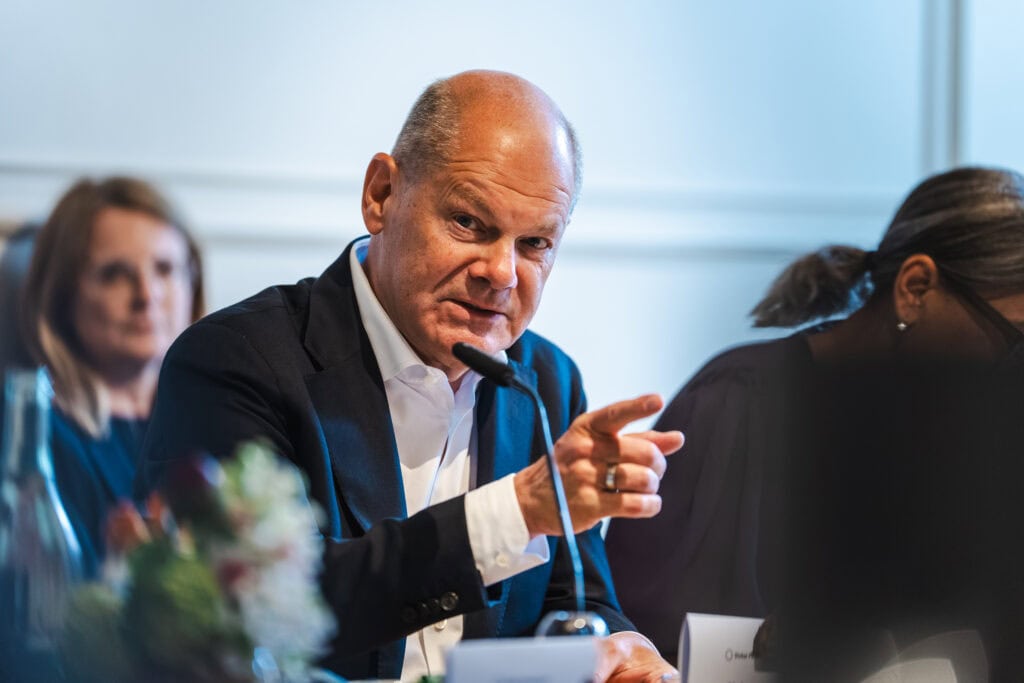
The Alliance unites decision makers from the fields of politics, diplomacy, business, academia, technology, the military, and civil society. Its members engage in ongoing exchanges with experts from countries across the Global South. The region is often disproportionately affected by global crises. However, it is also gaining geopolitical relevance and is a vital source of innovation and cooperation.
Dimensions of Security
Today, security emerges from the intersection of many policy areas rather than in isolation. Adopting this interconnected approach, the Alliance focuses on the geopolitical, economic, technological, environmental, and societal dimensions of security.
Objective
The Alliance promotes dialogue on security issues that transcend traditional military approaches, all the while building a trusted and resilient network. It acts as an early warning system, helping to draw attention to complex developments and identify risks early on.
Contributors
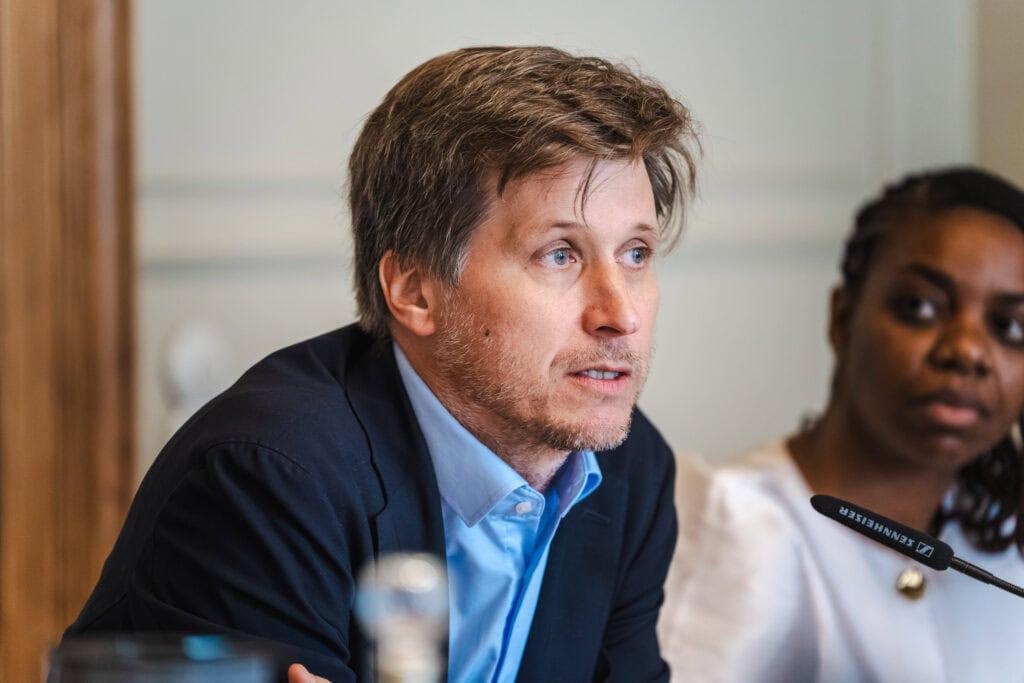
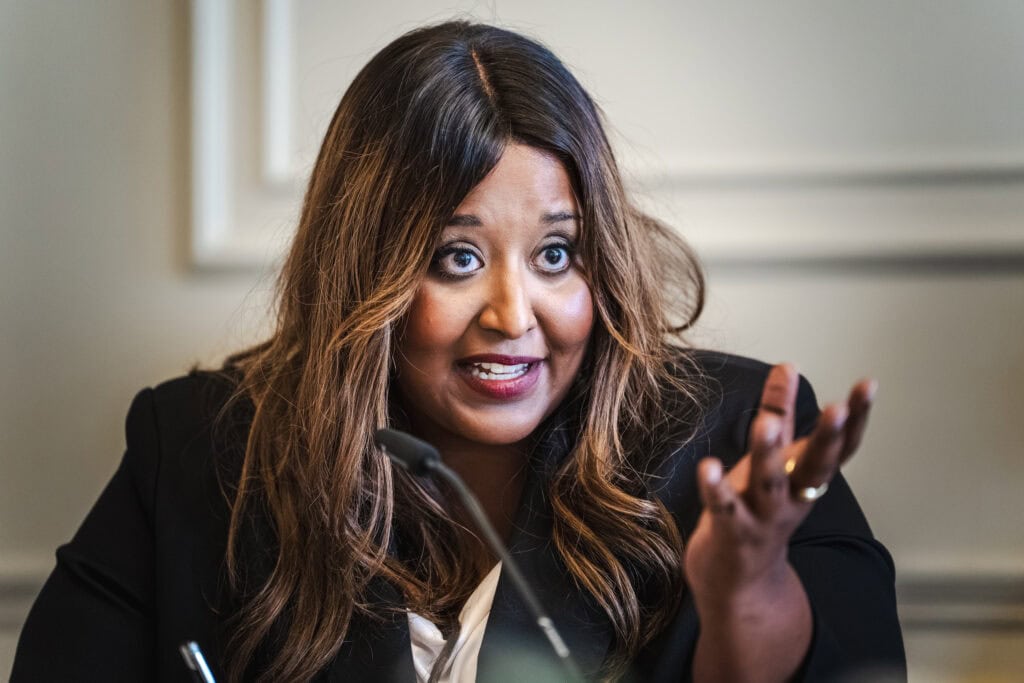
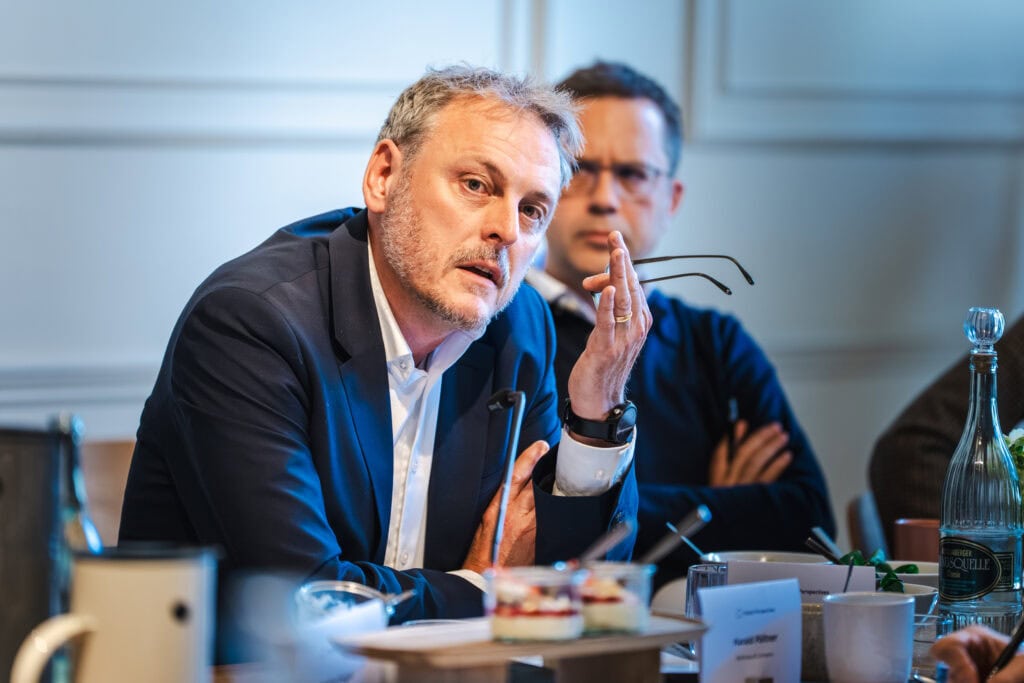
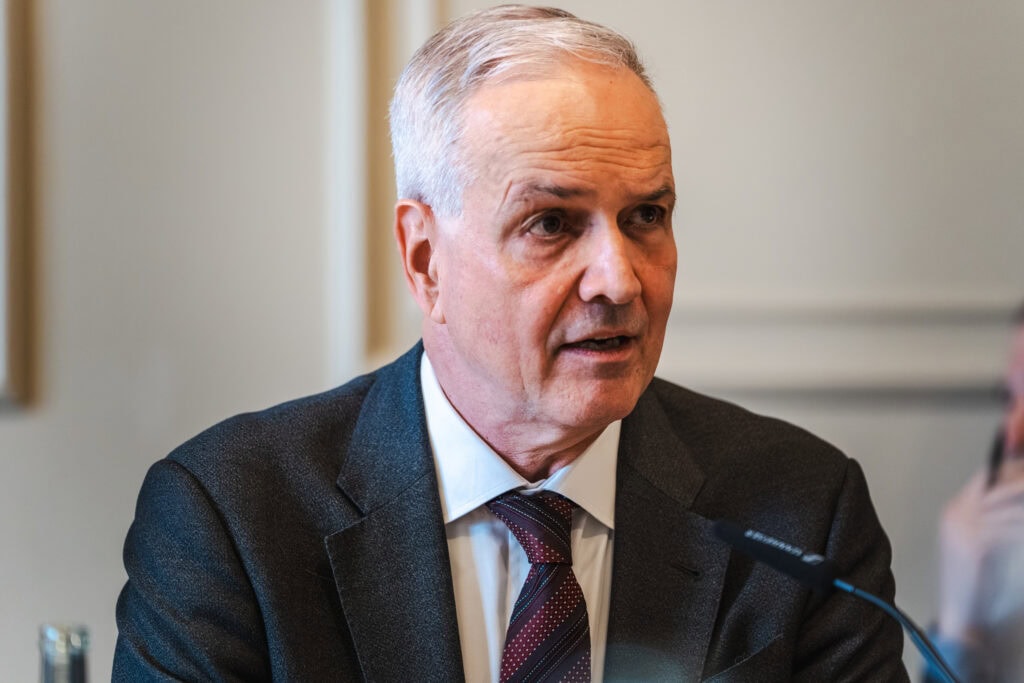
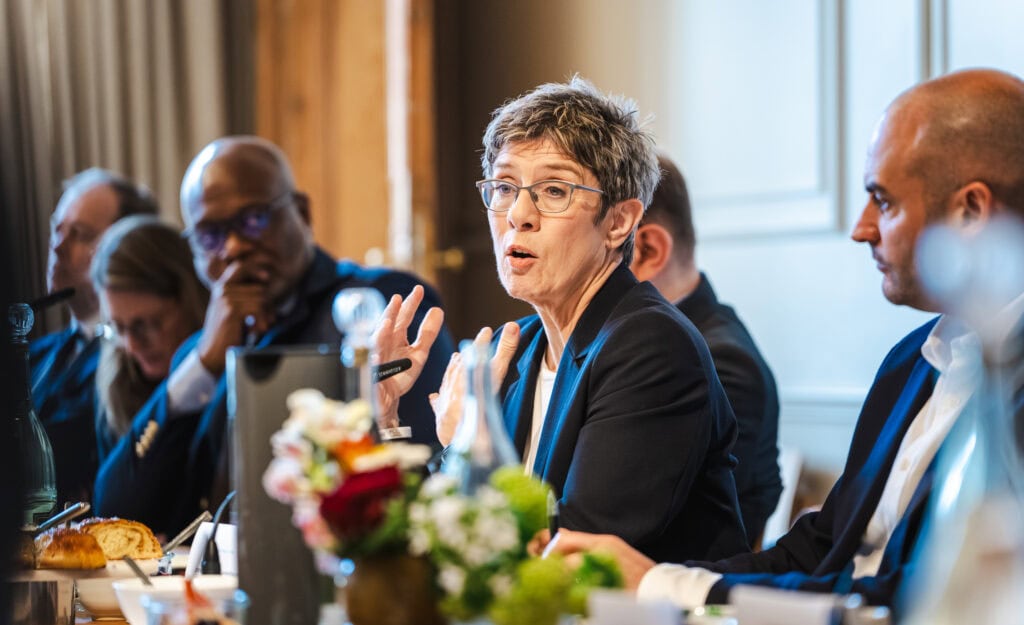
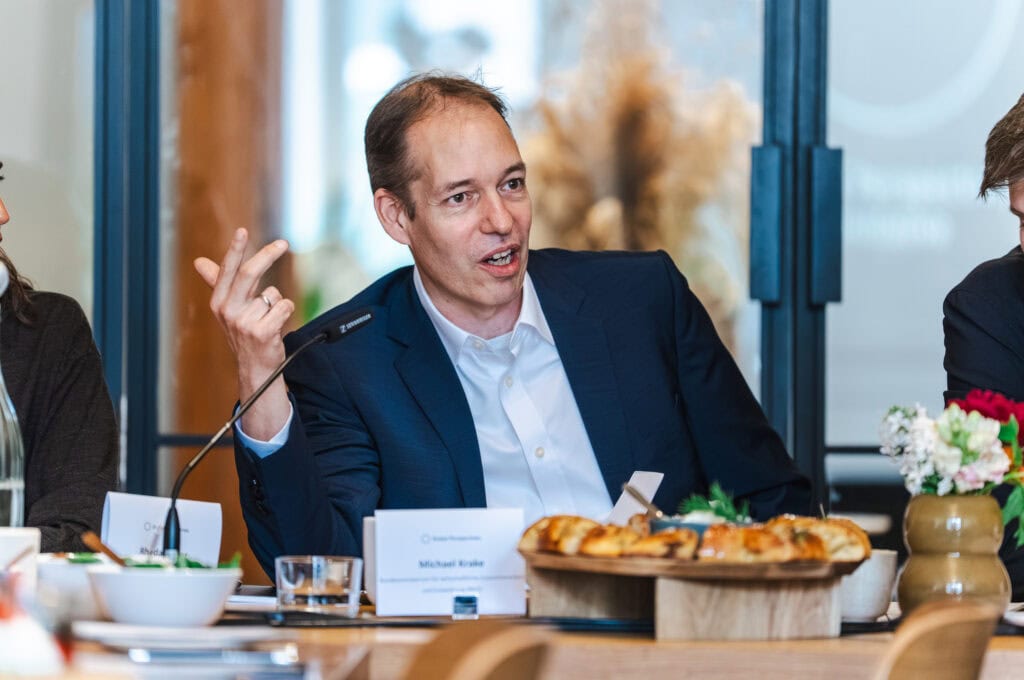
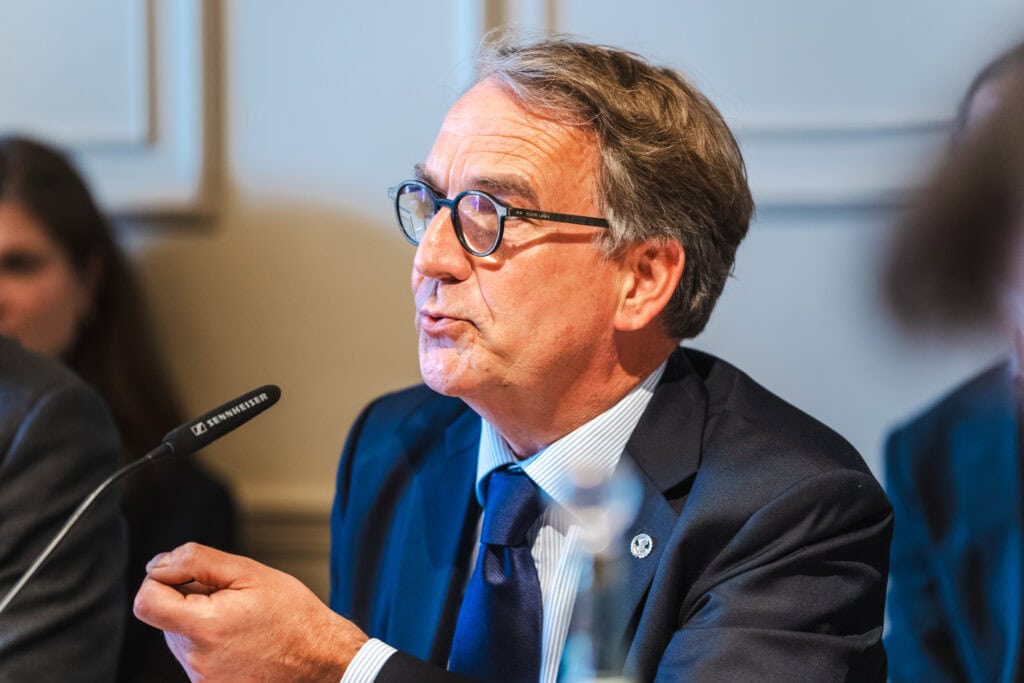
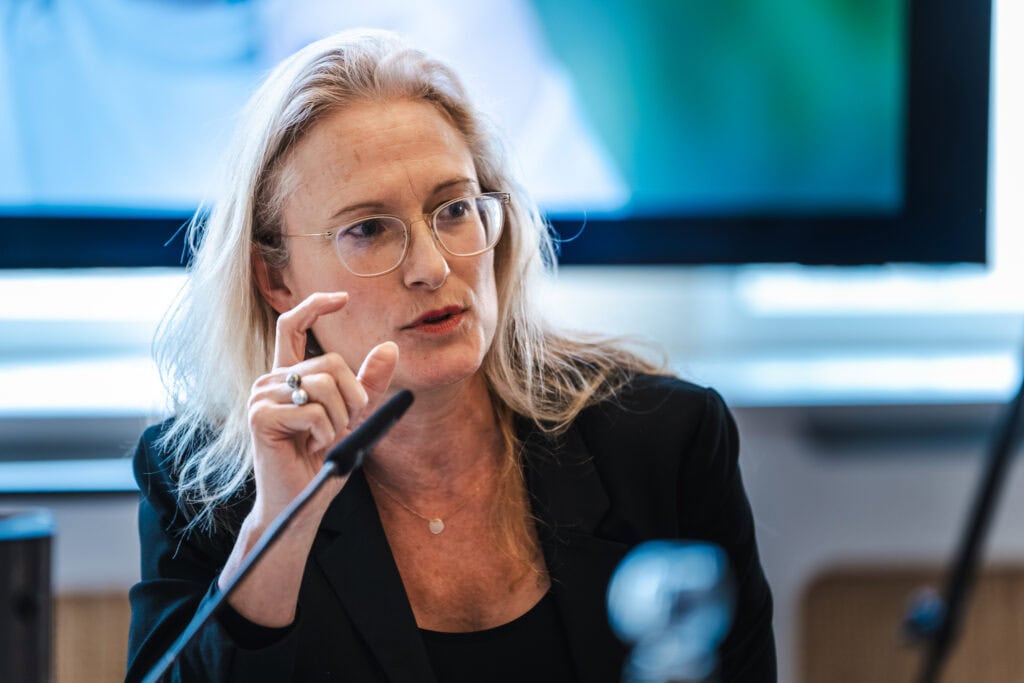
Contact Persons
Gregor Darmer, g.darmer@globalperspectives.org
Sarah van Bentum, s.vanbentum@globalperspectives.org
Alliance for Integrated Security
Security today extends far beyond defence. An integrated understanding of security connects economic, technological, climate, health and societal dimensions. Through the Alliance for Integrated Security, Global Perspectives brings together stakeholders from politics, business, science, defence and civil society to develop new perspectives on security – in dialogue with international partners, particularly across the African continent.
Related Program
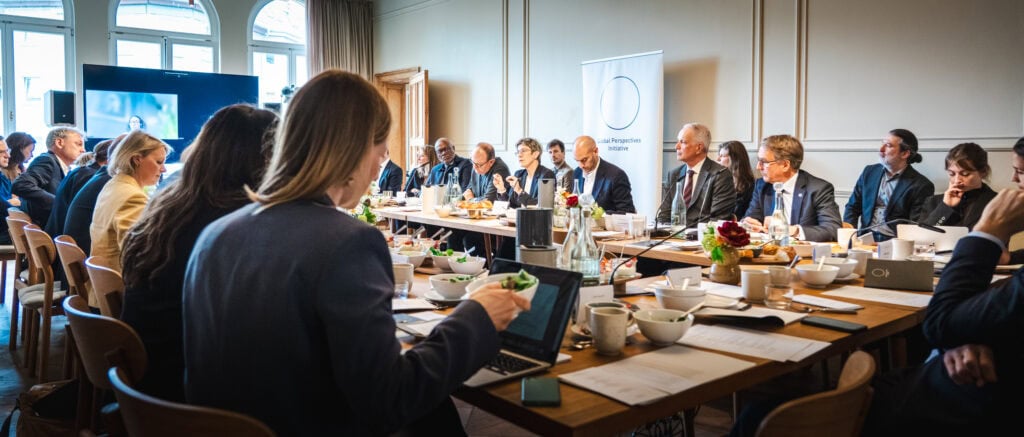
At the launch of the Alliance for Integrated Security, we discussed the current geopolitical challenges and identified potential areas of cooperation between Germany and the Global South.
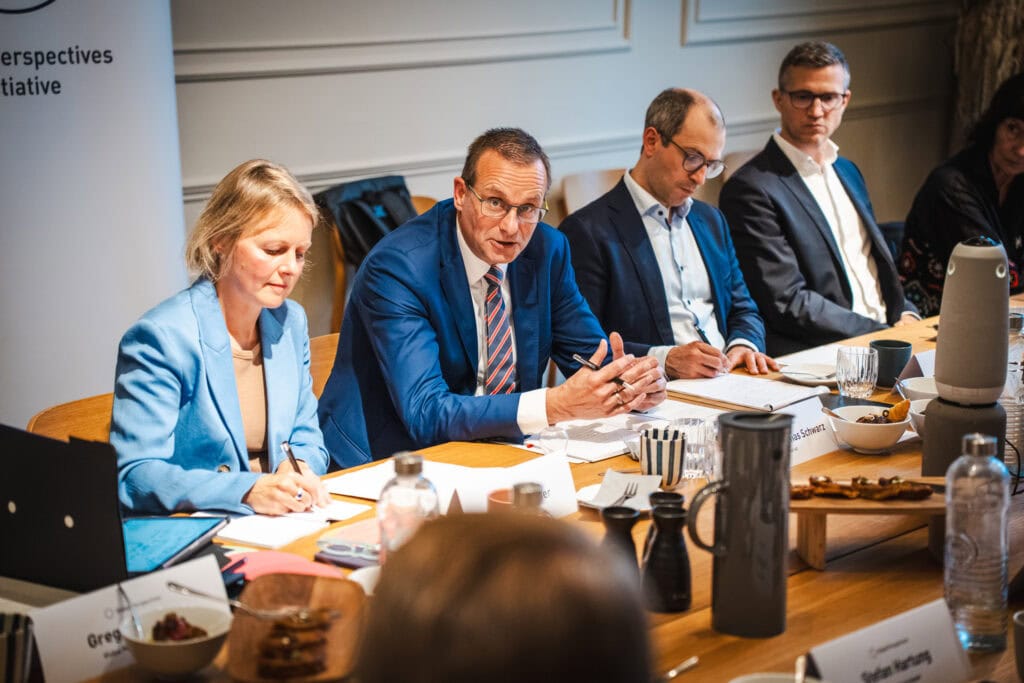
What is at stake for Germany and Europe if they do not change course economically? Structural weaknesses, U.S. tariffs, and China’s growing economic power are increasing the tension.
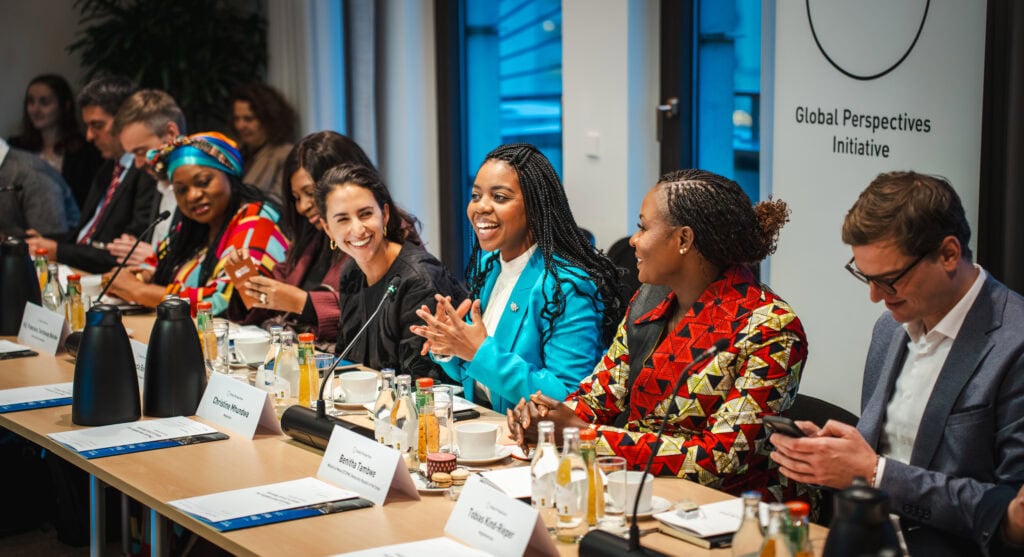
In the ninth edition of the Africa Roundtable, we discussed how Europe and Africa build partnerships that turn Africa's raw material wealth into local value creation.
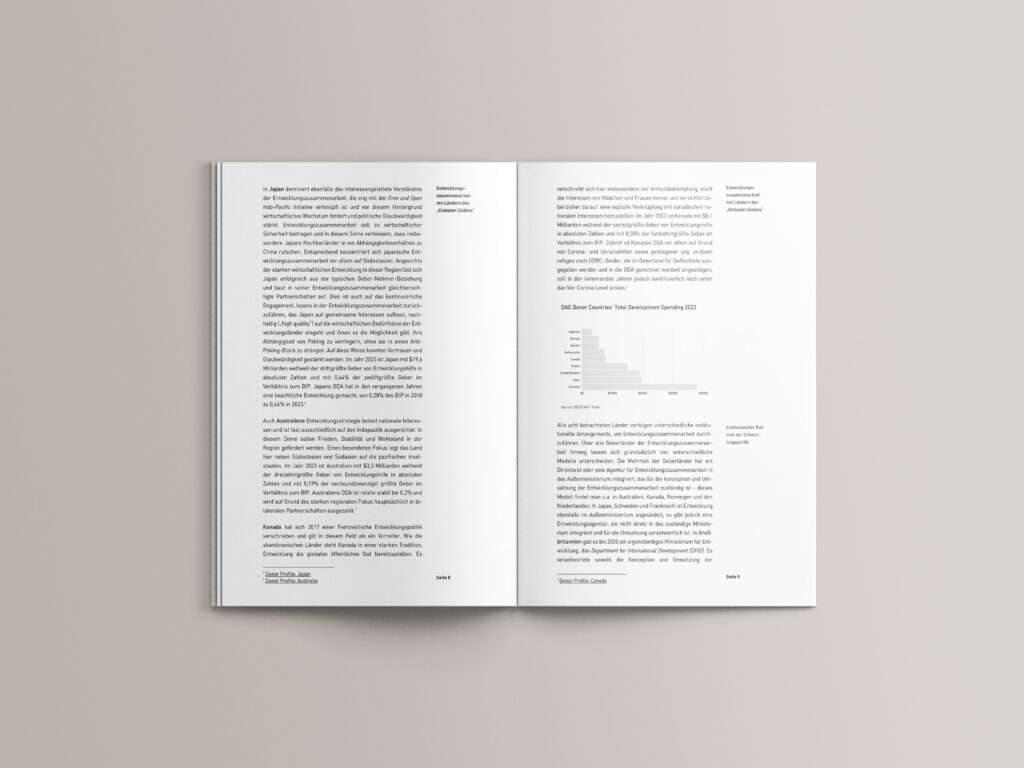
Außen- und Entwicklungspolitik als Instrument der Soft Power: Die vergleichende Analyse der Strategien anderer Demokratien zeigt zentrale Trends auf, die für Deutschland von Bedeutung sind.
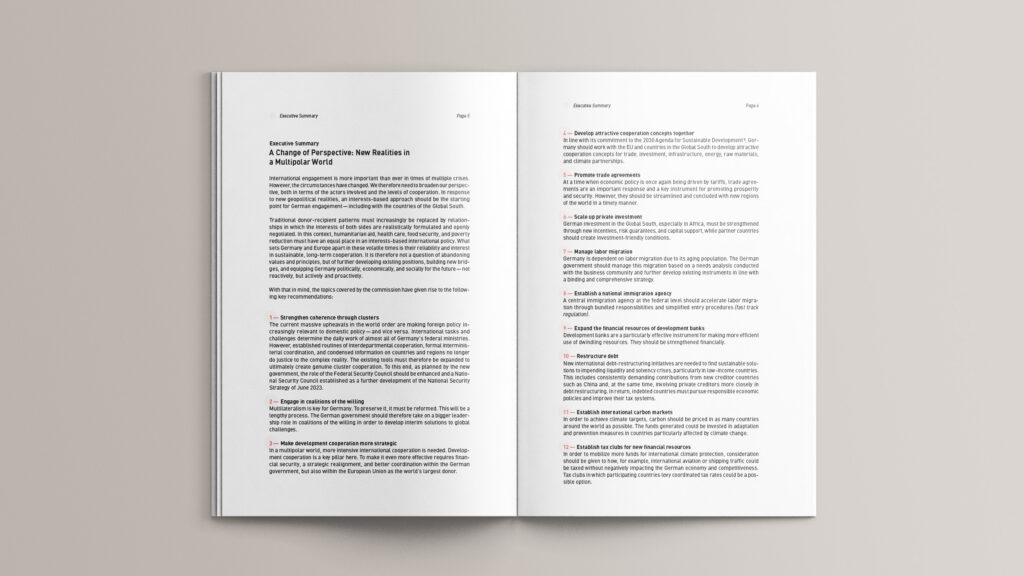
The Commission “A Changing World – Germany and the Global South” presents its recommendations as a basis for addressing key strategic decisions facing Germany today.

In conversation with Anna Bjerde, Managing Director of Operations at the World Bank, and other representatives from politics and business, we discussed efforts in fostering sustainable development.
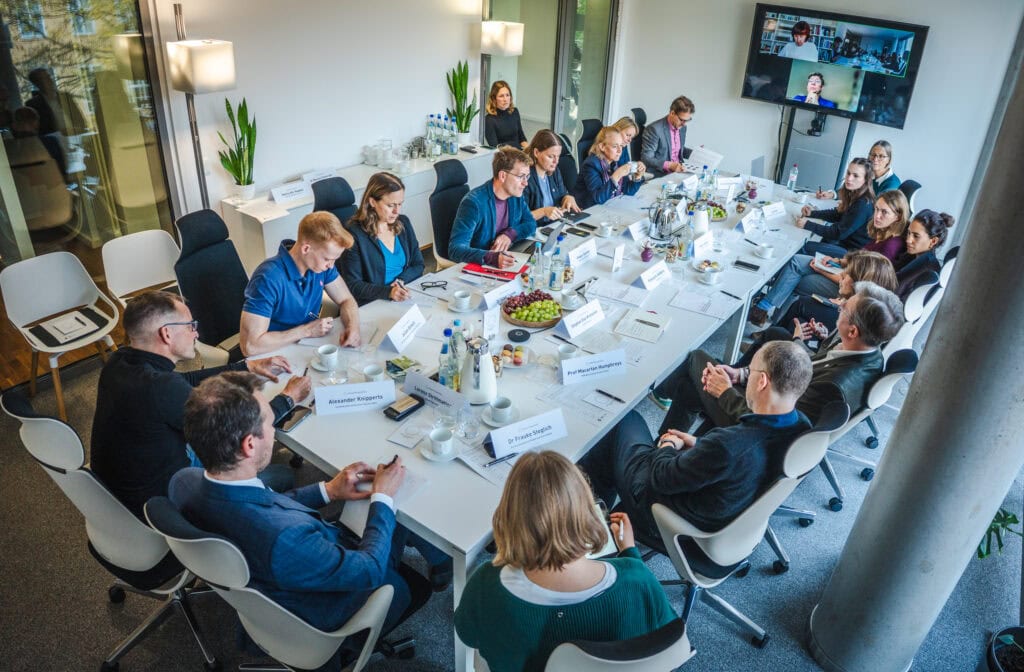
US tariffs changes are causing new uncertainties in global trade. Together with ONE and Pinelopi K. Goldberg, we discussed how international development policy needs to be realigned.
Program Archive
Africa is building its own capacity in health research, diagnostics, and vaccine production. This is creating new avenues for cooperation with Europe on health security.
What is at stake for Germany and Europe if they do not change course economically? Structural weaknesses, U.S. tariffs, and China’s growing economic power are increasing the tension.
No continent can safeguard its health security alone. Shared health security is therefore a matter of mutual interest. The action recommendations of the tenth conference.
We brought together policymakers and experts at the German Bundestag to discuss how Germany can strengthen Defense, Diplomacy, and Development as equal pillars of its foreign and security policy.
The impacts of climate change are being felt around the world. At the same time, there are reasons for hope. Together with Dr. Ani Dasgupta, we explored why the climate crisis calls for more optimism.
Health security in Europe and Africa is closely interconnected. We discussed stronger collaboration through investment in local production, health equity biotechnology, research, and innovation.
Africa is emerging as a major hub for innovation and artificial intelligence. With leading African voices from Big Tech, academia, and innovation, we highlighted AI innovation across the continent.
Climate policy is security policy. We discussed how Europe can work with countries in the Global South to implement concrete measures that benefit both sides.
At the launch of the Alliance for Integrated Security, we discussed the current geopolitical challenges and identified potential areas of cooperation between Germany and the Global South.