Publications
Reproductive Health at a Turning Point
Perspectives on Innovation, Financing, and Partnerships in a Changing World
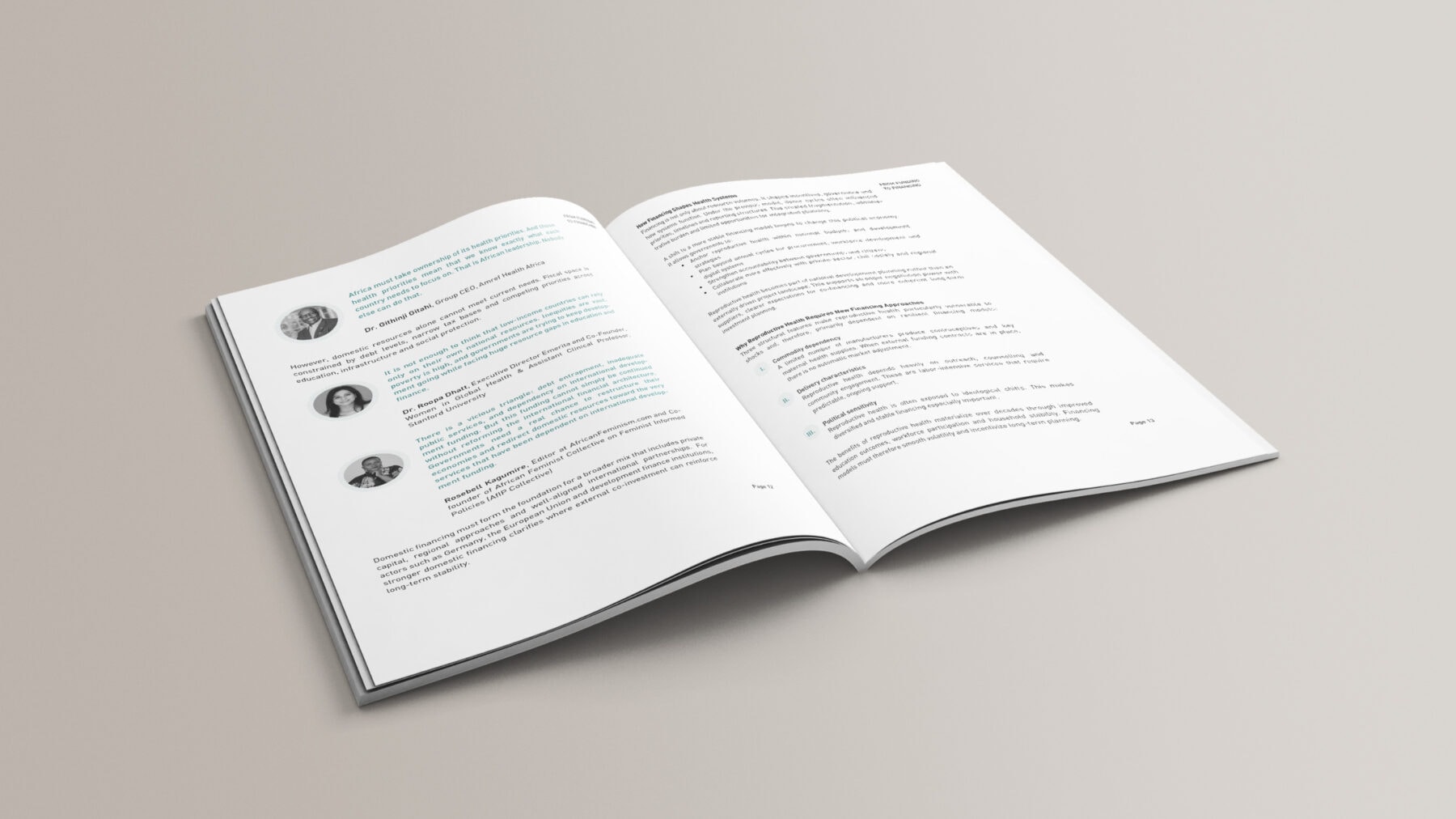
Reproductive Health at a Turning Point
Perspectives on Innovation, Financing, and Partnerships in a Changing World









Publications: Reproductive Health at a Turning Point
March 3, 2026
Berlin
When the United States abruptly cut funding for reproductive health in July 2025, countries across the Global South faced immediate gaps in health services. Our publication reviews the effects of the cuts, presents practical options for funding and service delivery, and offers guidance for policymakers and investors.
It draws on interviews we conducted with 19 leaders and practitioners across the African continent. The question at the center: what concrete role can Europe, and Germany in particular, play in this new reproductive health landscape?
Across all interviews, one message was consistent: This is not a moment for incremental adjustments. It is a structural turning point that requires recalibrating assumptions about partnership, risk and resilience.
Key Messages
Fragility of the Existing Model
The 2025 disruption exposed the fragility of the existing model. The abrupt withdrawal of USAID funding and continuous ODA reductions showed how vulnerable reproductive health systems on the African continent are when they rely on a small group of bilateral donors.
Domestic Resource Mobilization
Domestic resource mobilization is increasing but cannot close the financing gap alone. African Governments are strengthening budgets, insurance schemes, and public finance systems, but additional forms of capital are needed to meet growing demand.
Innovation Strengthens Systems
Innovation strengthens systems when it aligns with real conditions. Digital tools, clinical improvements and delivery innovations are most effective when integrated into national systems rather than implemented as stand-alone pilots.
Community Networks Remain
Community networks remain one of the strongest delivery assets on the continent. Women’s groups, youth associations and community health workers create trust, improve follow-up and extend services where formal systems are thin.
Private Sector Partners
The private sector is an essential partner in delivery and innovation. Private firms bring logistics, technology, investment and delivery capacity that complement public systems when aligned with national priorities and equity goals.
Expanding African Capacity
Regional manufacturing and supply chain resilience are now strategic priorities. Expanding African capacity for contraceptives, essential medicines and health technologies reduces exposure to global disruptions and creates economic opportunity.
Blended Finance is Essential
Blended finance is essential for mobilizing private capital at scale. Risk-sharing instruments, guarantees and coordinated investment platforms enable private investment in reproductive health infrastructure.
Leading through Strategic Co-Investment
Germany and the European Union can lead through strategic co-investment. Their comparative strengths include governance, regulation, data systems, manufacturing partnerships and blended finance. Their most important contribution is long-term, predictable, system-focused engagement.
African Leadership
The next phase depends on African leadership supported by strategic co-investment from Germany, the European Union and private actors. Domestic leadership sets priorities, shapes system design and determines where co-investment can deliver the most sustainable results, while predictable multi-year financing and aligned partnerships can reinforce system resilience.
A New Architecture is Emerging
This moment is not a pause. It is a pivot. A new architecture is emerging, shaped by domestic leadership, diversified financing, and collaboration among African governments, Germany, the EU, and the private sector.
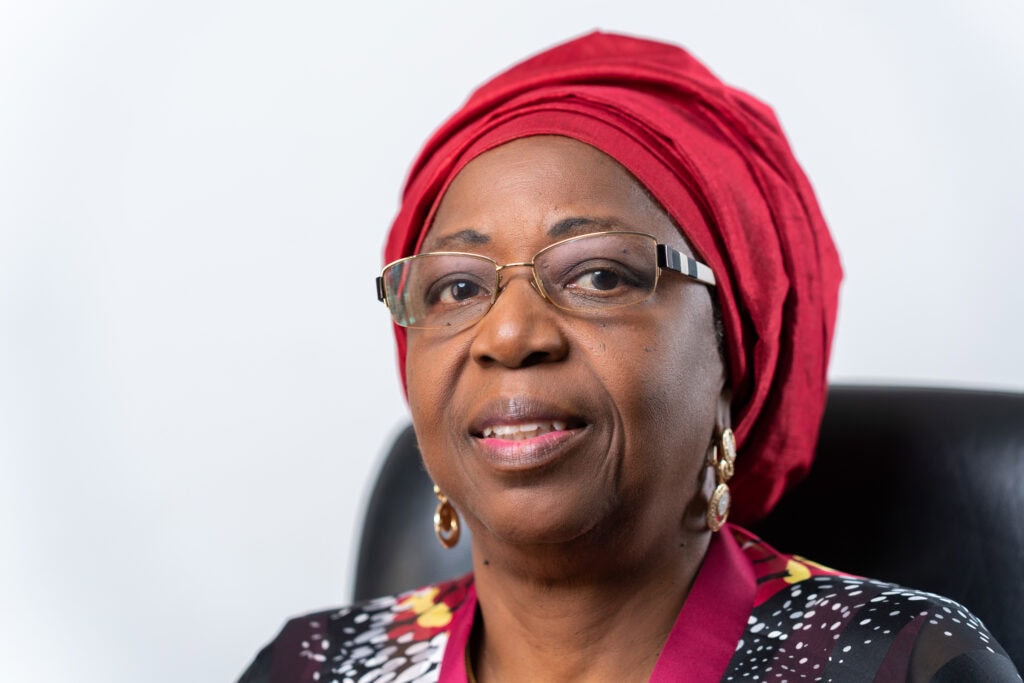
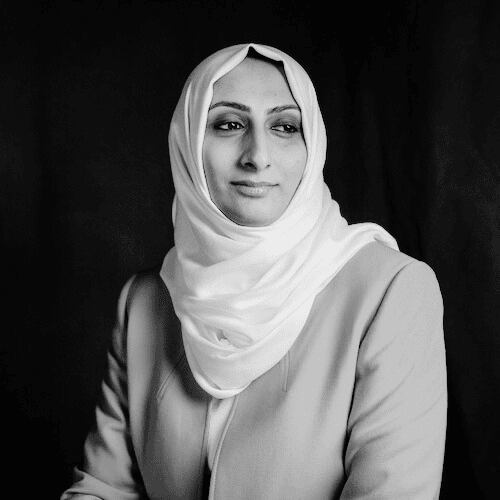
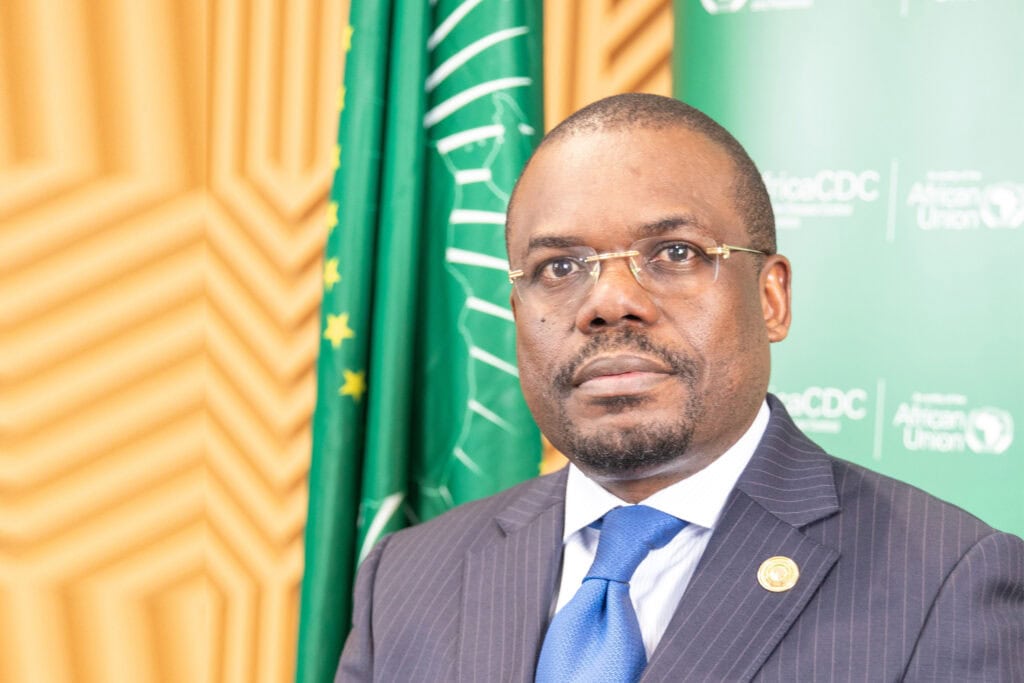
Interview Partners
Contact Persons
Sabrina Rupprecht, s.rupprecht@globalperspectives.org
Supported by
Publications
Our publications aim to stimulate questioning and discussion. They are the result of a deep engagement with the focus topics of our work and enable a fact-based dialogue.
Related Program

Funding cuts are putting health systems across Africa under pressure. Collaboration with Germany and Europe can help strengthen healthcare in the long term.
AI could revolutionize healthcare in Africa. At the World Health Summit, we discussed AI's potential to improve healthcare equity and access.

Investments in women's health are threatened by budget cuts and anti-gender movements. In our webinar, we discussed innovative strategies to drive progress in our digital dialogue.

The inequalities in the global health system have a significant impact on the financial situation of women. We discussed economic growth through equal opportunities.

Together with partner The ONE Campaign, we will discuss factors that prevent women from taking leadership positions in the health sector at the World Health Summit 2023.

With Mamta Murthi and Dr. Eliya Zulu (AFIDEP), we highlight challenges that exist for health, social and economic equality.

We discuss family planning, sexual and reproductive health (SRH) with Ulle Schauws and Dr. Eliya Zulu. SRH is the focus of feminist foreign policy.

The combination of technology and health is developing rapidly on the African continent and exceeds global standards.

In times of crisis, women and girls are particularly affected, and access to safe and affordable sexual and reproductive health (SRH) is crucial.

The Covid-19 pandemic has in many ways exacerbated pre-existing inequalities. At the World Health Summit, we discussed this with H.E. Prof Awa Marie Coll Seck and Dr Eckhart von Hirschhausen.
Program Archive
Europe’s access to critical minerals in Africa depends crucially on stronger private sector engagement. We have now taken the recommendations further.
In times of limited resources and geopolitical tension, multilateral institutions can maximize the impact of existing development funding.
Funding cuts are putting health systems across Africa under pressure. Collaboration with Germany and Europe can help strengthen healthcare in the long term.
Africa’s critical minerals are essential to Europe’s future, playing a significant role in the green transition and industrial competitiveness. The Follow-Up to the 9th edition of the Roundtable.
In the ninth edition of the Africa Roundtable, we discussed how Europe and Africa build partnerships that turn Africa's raw material wealth into local value creation.
This paper explores how Africa can add value to its critical minerals, boost local processing, and drive green industrialization while strengthening regional and global supply chains.
We discussed with State Secretary Niels Annen how development policy can be integrated into networked foreign, security, and economic policies.
US tariffs changes are causing new uncertainties in global trade. Together with ONE and Pinelopi K. Goldberg, we discussed how international development policy needs to be realigned.
As traditional trade relations shift, strengthening local value chains, enhancing trade agreements, and mobilizing private capital are key to building more resilient and mutually beneficial economies.