Politics Briefing
5% for Security?
Security Takes More Than Defense
Politics Briefing: 5% for Security?
July 9, 2026
Deutscher Bundestag
Germany’s security debate is currently focused primarily on the military dimension. While defense spending is rising significantly, funding for development cooperation and diplomacy is being cut.
This approach falls short. Experience from fragile states shows that lasting stability cannot be achieved through military deterrence alone. Resilient societies, strong institutions, and investments in health, education, and climate action are also essential.
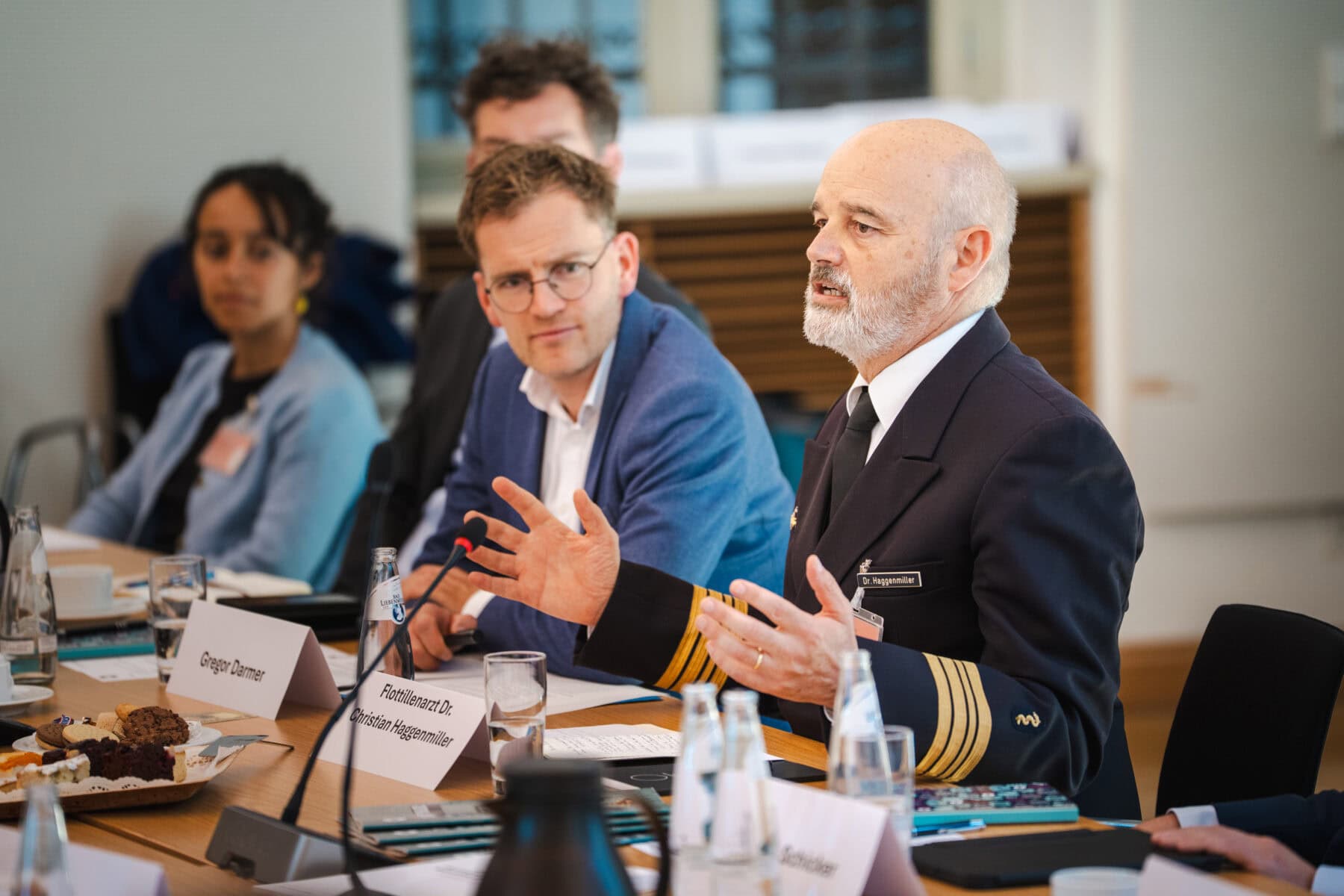
Dr. Christian Haggenmiller, Medical Advisor European Union Military Staff, European External Action Service
On July 7-8, 2026, NATO allies met to discuss the future of the Alliance’s collective defense and to take stock of the initial implementation of the new 5% target for defense and security-related spending.
We brought together representatives from politics, the military, business, and civil society at the German Bundestag to discuss how Germany can strengthen the 3D approach (Defense, Diplomacy, and Development) as three equally important pillars of an integrated foreign and security policy.
Contact Persons
Sarah van Bentum, s.vanbentum@globalperspectives.org
Supported by
Politics Briefing
Politics Briefing foster professional dialogue with policymakers. This format is aimed particularly at members of the Bundestag, but also at political actors in government, ministries or political foundations.
Related Program
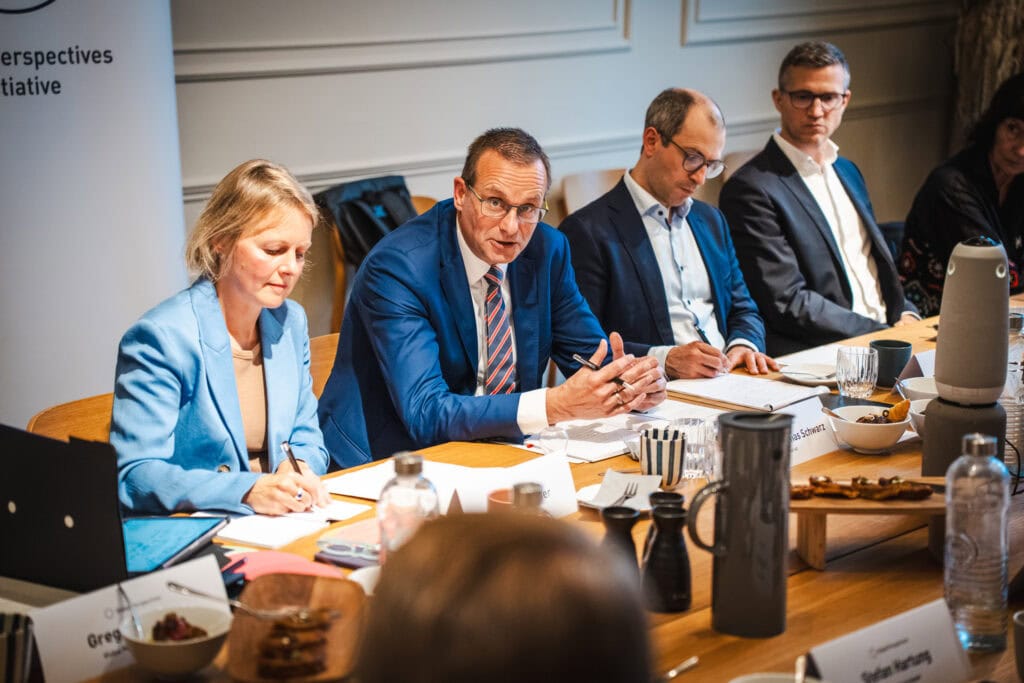
What is at stake for Germany and Europe if they do not change course economically? Structural weaknesses, U.S. tariffs, and China’s growing economic power are increasing the tension.
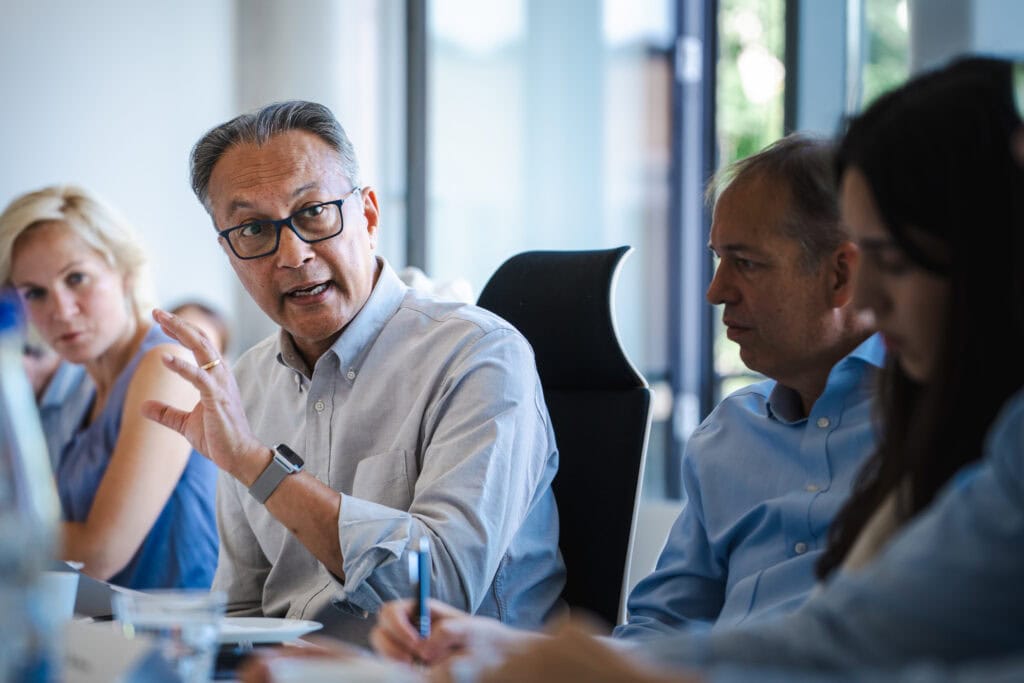
The impacts of climate change are being felt around the world. At the same time, there are reasons for hope. Together with Dr. Ani Dasgupta, we explored why the climate crisis calls for more optimism.
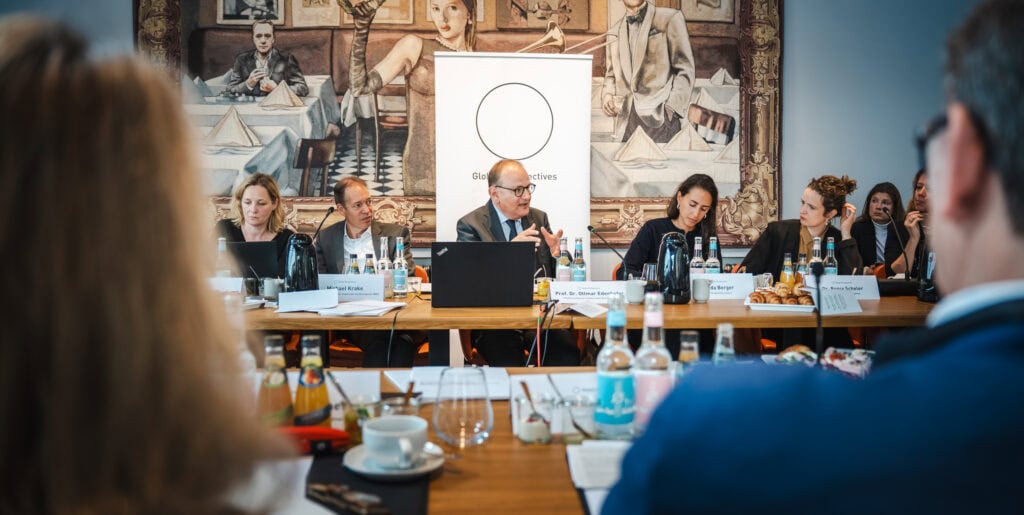
Climate policy is security policy. We discussed how Europe can work with countries in the Global South to implement concrete measures that benefit both sides.
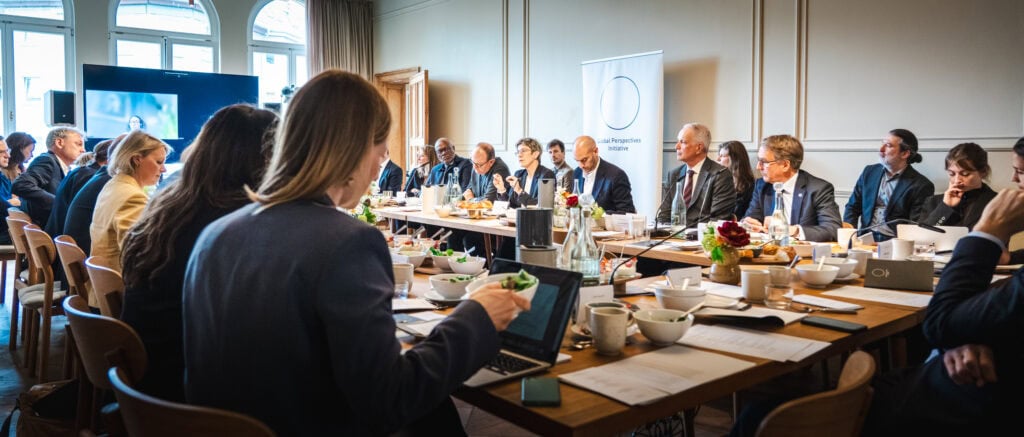
At the launch of the Alliance for Integrated Security, we discussed the current geopolitical challenges and identified potential areas of cooperation between Germany and the Global South.
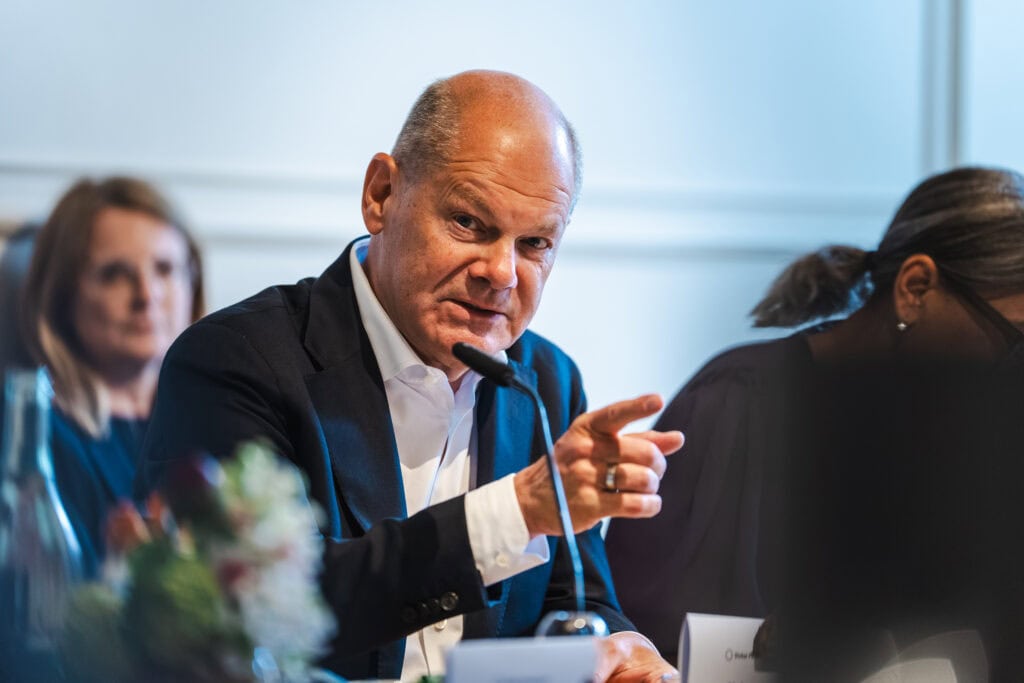
As global conflicts increase and uncertainty rises, Europe and Germany must take greater responsibility for their future and adopt a broader approach to security.
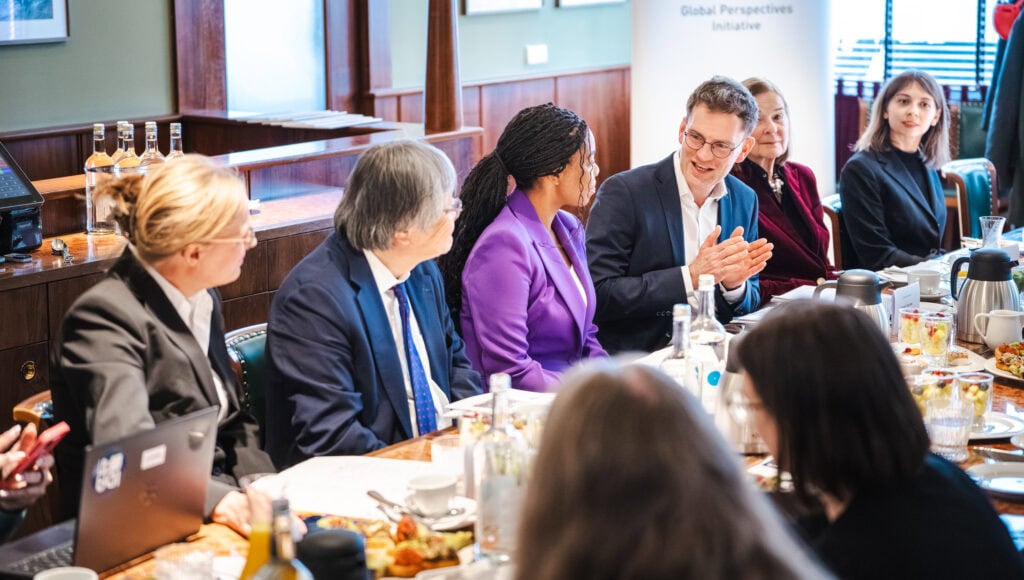
In times of limited resources and geopolitical tension, multilateral institutions can maximize the impact of existing development funding.
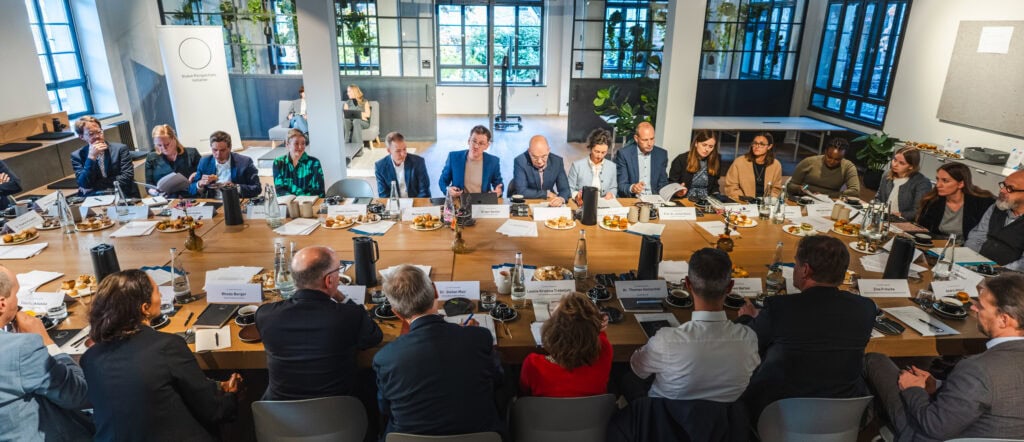
We discussed with State Secretary Niels Annen how development policy can be integrated into networked foreign, security, and economic policies.
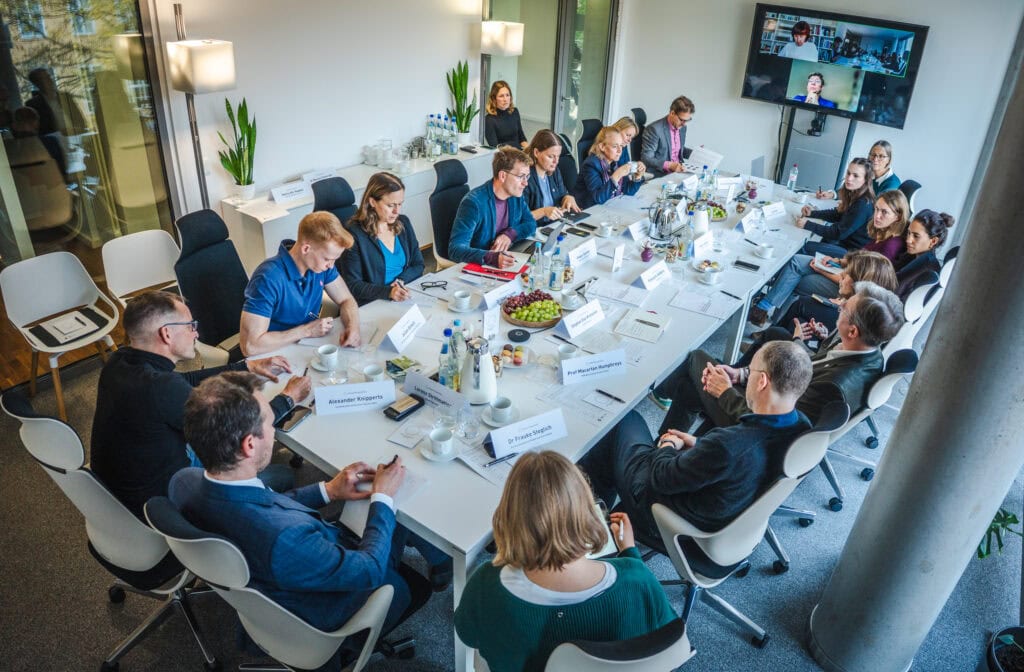
US tariffs changes are causing new uncertainties in global trade. Together with ONE and Pinelopi K. Goldberg, we discussed how international development policy needs to be realigned.
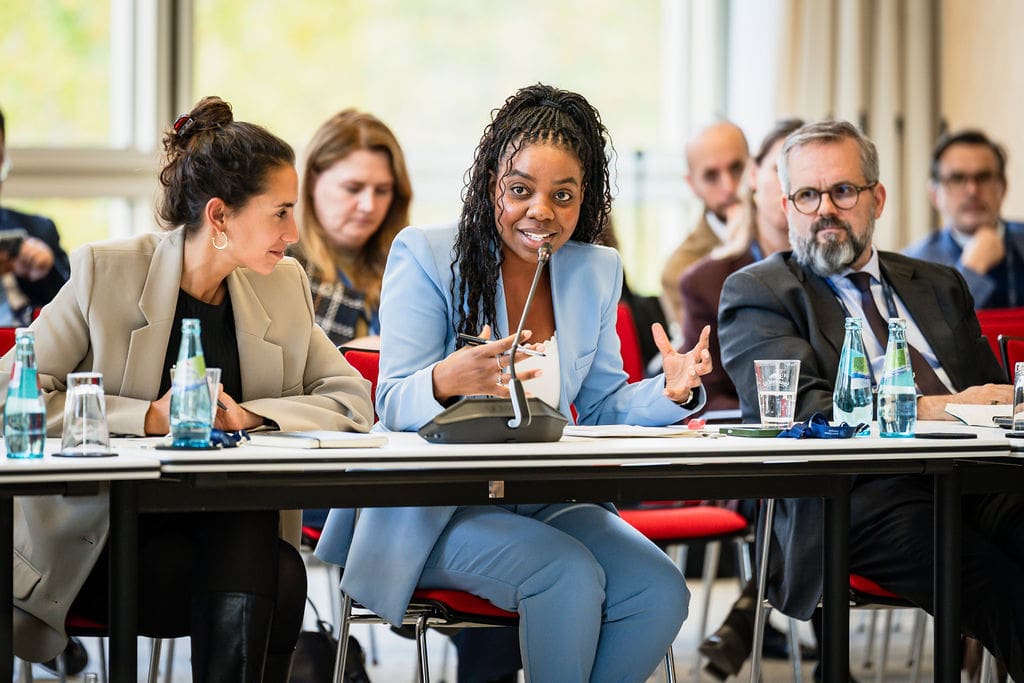
As traditional trade relations shift, strengthening local value chains, enhancing trade agreements, and mobilizing private capital are key to building more resilient and mutually beneficial economies.
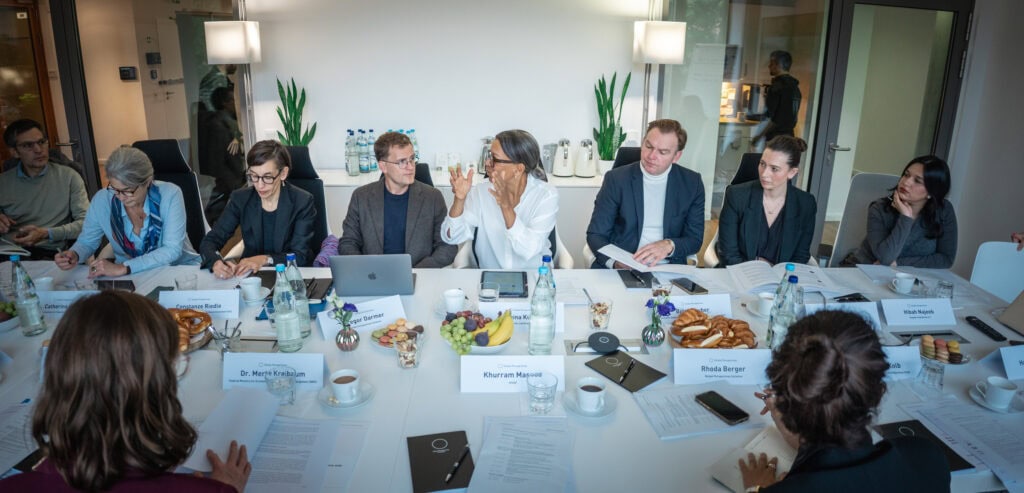
Germany is a country of immigration. Building on our Commission's recommendations for action, we discussed ways to better manage and communicate labor migration.
Program Archive
Africa is building its own capacity in health research, diagnostics, and vaccine production. This is creating new avenues for cooperation with Europe on health security.
What is at stake for Germany and Europe if they do not change course economically? Structural weaknesses, U.S. tariffs, and China’s growing economic power are increasing the tension.
No continent can safeguard its health security alone. Shared health security is therefore a matter of mutual interest. The action recommendations of the tenth conference.
The impacts of climate change are being felt around the world. At the same time, there are reasons for hope. Together with Dr. Ani Dasgupta, we explored why the climate crisis calls for more optimism.
Health security in Europe and Africa is closely interconnected. We discussed stronger collaboration through investment in local production, health equity biotechnology, research, and innovation.
Africa is emerging as a major hub for innovation and artificial intelligence. With leading African voices from Big Tech, academia, and innovation, we highlighted AI innovation across the continent.
Climate policy is security policy. We discussed how Europe can work with countries in the Global South to implement concrete measures that benefit both sides.
At the launch of the Alliance for Integrated Security, we discussed the current geopolitical challenges and identified potential areas of cooperation between Germany and the Global South.
As global conflicts increase and uncertainty rises, Europe and Germany must take greater responsibility for their future and adopt a broader approach to security.