2027 Predictions
The year global cooperation gets its second wind
"Operating by ourselves in silos is not going to work."
2027 Predictions: The year global cooperation gets its second wind
2. Oktober 2026
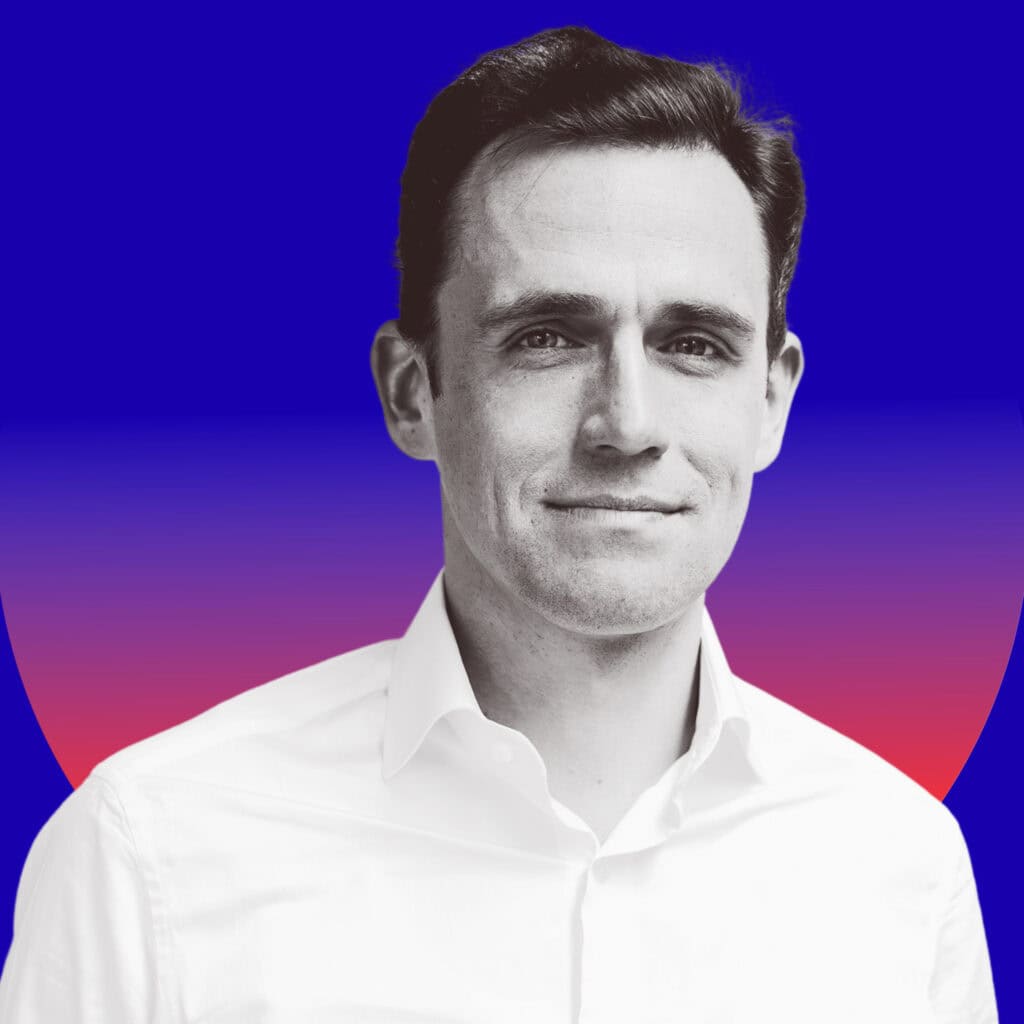
Joseph Asunka
I have sat on a panel at the United Nations looking at global risk indicators, so I’m always asked what the big risk factors are. I’d like to start with the opportunities.
The international governance architecture is unravelling. It is increasingly viewed through different lenses and, in some countries, seen as irrelevant or useless. That has pushed many people to realize how important global cooperation is. We always knew it mattered, but now the value of cooperation is clearer than ever.
I see a lot of momentum building. Governments, civil society groups and activists understand what is at stake. Climate change. Disease and disease surveillance. These problems respect no borders, and only collaboration can solve them. Working alone in silos won’t.
So from now through 2027, I expect renewed momentum to strengthen the global governance system. But it won’t be a return to the old one. It will be a system that is fairer to everybody and serves the broader public better than the old one did. It has to be fair to everyone, not just some of the partners in the global governance architecture.
What it takes
To get there, we first need champions: leaders who will drive a new, or at least revised, form of global governance. Without presidents or prime ministers who take the agenda on themselves, it can falter. I hope Germany will be a big player here and one of the key drivers of a governance architecture that is fair to everyone taking part.
Some of the existing rules aren’t perfect, but they still work quite well. The question is how we improve them, whether by rewriting them or refining them. If we had five to ten solid global leaders driving this, Germany among them, it would be a huge asset. It would move us toward the world we all want, one where cooperation lets us address existential crises like climate change and AI governance.
The domestic problem
There will always be messy domestic politics. Tensions are unavoidable, and people will ask why Germany should play this role on the global stage when it has problems of its own. Political opponents can use that against a ruling government and say it is focusing on global issues rather than local ones.
But the global stage can also generate a rally-around-the-flag sentiment. Even if we disagree internally as a nation, there is something good about global collective goods, and they only come about if we compromise at the global level and make the outcome fair for everybody.
Ultimately, cooperation that is fair to everyone can help address many of our local concerns. As long as we don’t see it purely as a political game, and think about it rationally, more cooperation is much better than isolation.
Contact Persons
Corinna Robertz, c.robertz@globalperspectives.org
2027 Predictions
Each year, we ask people from our network in Europe and Africa what they see coming in the year ahead. Here’s what they told us.
Related Program

Mit einer neuen Raumfahrtbehörde und dem ersten Weltraumbahnhof erregt die afrikanische Raumfahrtindustrie weltweit Aufmerksamkeit. Was bedeutet das für europäisch-afrikanische Zusammenarbeit?
Seit zehn Jahren bringt Global Perspectives führende Persönlichkeiten aus Europa und Afrika zusammen. Wir schaffen Raum für offenen Austausch zu den Fragen, die beide Kontinente verbinden.
Bei der fünften Ausgabe des The Africa Roundtable wollen wir zum Thema "employability, skills and training" die Möglichkeiten der gerechten Aus- und Weiterbildung für Afrikas Jugend beleuchten.
Gesundheitssicherheit in Europa und Afrika ist eng verknüpft. Im Fokus des zehnten The Africa Roundtable standen lokale Produktion, Chancengleichheit, Biotechnologie, Forschung und Innovation.

Die siebte Ausgabe des The Africa Roundtable rückte die Bedeutung von digitaler Infrastruktur und Datensouveränität für die digitale Revolution auf dem afrikanischen Kontinenten in den Fokus.

Geopolitik und Rohstoffknappheit stellen für die Nachbarkontinenten Afrika und Europa die dringende Frage nach einer nachhaltigen und zukunftsorientierten Zusammenarbeit.

Unter dem Credo "Roadmap to Africa" wollen wir die Möglichkeiten zur Vertiefung der Handels- und Investitionsbeziehungen sowie zur Mobilisierung privater und institutioneller Finanzierung ausloten.

Die internationale politische Ordnung verändert sich. Wir haben mit 10 Expert:innen des sogenannten Globalen Südens gesprochen und sie zu ihrer Perspektive auf Deutschlands Rolle in der Welt befragt.
Politikwissenschaftler Daniel Marwecki über neue Machtzentren, Chinas Position und den notwendigen Zweckoptimismus in Deutschland.

Bei der zweite Ausgabe des The Africa Roundtable stand zum Thema "Recovery, Preparedness, and Resilience in Times of Crises" wirtschafts-, finanz- und gesundheitspolitischen Kooperation im Zentrum.
Programmarchiv
„Wir wollen keine Entwicklungshilfe, wir wollen Business“, sagen Gesprächspartner:innen in Afrika. Staatsministerin Serap Güler über Rohstoffe, Investitionen und deutsche Interessen.
Seit zehn Jahren bringt Global Perspectives führende Persönlichkeiten aus Europa und Afrika zusammen. Wir schaffen Raum für offenen Austausch zu den Fragen, die beide Kontinente verbinden.
Afrikas Infrastruktur wächst, doch Europa droht den Anschluss zu verlieren. Wie können Risiken besser bewertet und Investitionen gezielter umgesetzt werden?
Afrika entwickelt zunehmend eigene Lösungen in Forschung, Diagnostik und Impfstoffproduktion. Das schafft neue Möglichkeiten für die Zusammenarbeit mit Europa bei der Gesundheitssicherheit.
Was steht für Deutschland und Europa auf dem Spiel, wenn sie wirtschaftlich nicht umsteuern? Strukturelle Schwächen, US-Zölle sowie Chinas wachsende Wirtschaftsmacht erhöhen den Druck.
Logistik-Experte Tobias Maier über die Wirtschaftsbeziehungen zwischen Deutschland und Afrika, Handelsrouten über die Straße von Hormus und neue Wachstumsmärkte in Subsahara-Afrika.
Kein Kontinent kann seine Gesundheitssicherheit allein gewährleisten. Sie erfordert global Zusammenarbeit und liegt im gegenseitigen Interesse aller. Die Handlungsempfehlungen der zehnten Konferenz.
Gemeinsam mit ONE diskutierten wir im Bundestag, wie Deutschland Verteidigung, Diplomatie und Entwicklung als gleichwertige Säulen in der Außen- und Sicherheitspolitik stärken kann.
Die Folgen des Klimawandels sind weltweit spürbar. Gleichzeitig gibt es Anlass zur Hoffnung: Gemeinsam mit Dr. Ani Dasgupta haben wir erörtert, warum wir mehr Optimismus in der Klimakrise brauchen.