Salon
New Responsibilities
Germany within a Global World
Salon: New Responsibilities
April 26, 2017
Mercator Center Berlin, Stiftung Mercator
The world is facing major global challenges: climate change, displacement and migration, peacekeeping and poverty alleviation. The burgeoning of a new economic nationalism and growing protectionism set the global community under pressure and jeopardise global solutions. Germany must accept its responsibility within Europe and the World and adjust its role accordingly.

New Responsibilities: Germany within a Global World
How can Germany assume responsibility in Europe and the world in favour of peaceful global policies?
Our salon focused on how Germany can assume this responsibility in both Europe and the world in the future to ensure peaceful and sustainable global policies, thus, contributing to the fulfilment of the 2030 Agenda.
Moderation
Contact Persons
Gregor Darmer, g.darmer@globalperspectives.org
Supported by
Salon
Continuous dialogue creates awareness for the urgent questions of our time. In salons, renowned experts open the discussion with our selected guests from business, politics and society.
Related Program
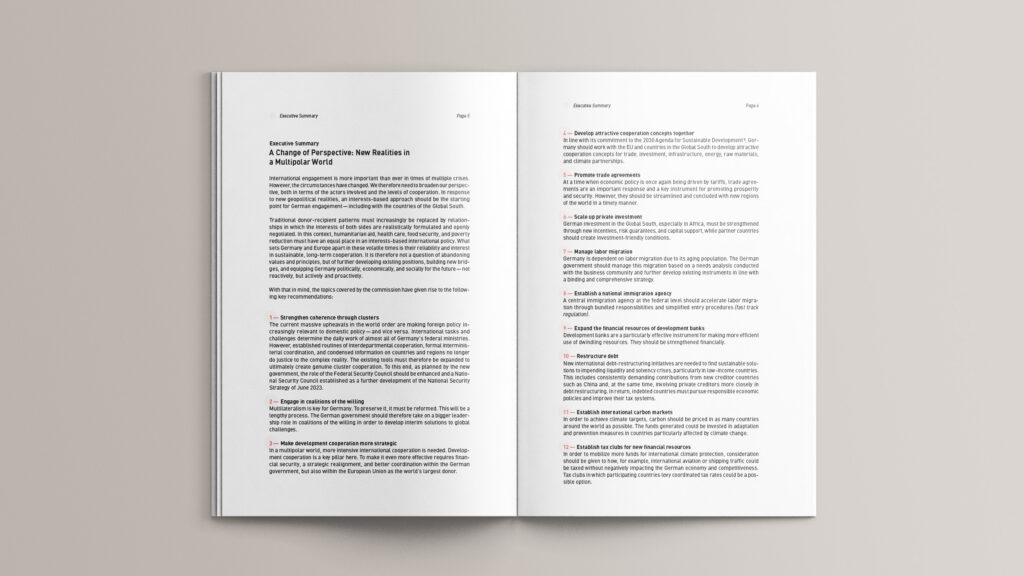
The Commission “A Changing World – Germany and the Global South” presents its recommendations as a basis for addressing key strategic decisions facing Germany today.

With a new space agency and an upcoming space port on the continent, the African space industry is capturing global attention. What does this mean for European-African cooperation?

Together with David Miliband, CEO & President of IRC, and selected stakeholders from politics, business, academia, we discussed Germany's responsibilities in an international system in crisis.

The distribution of power in the international system is changing. We interviewed 10 experts from the so-called 'Global South' to get their insight into their perception of Germany's role.

The Commission "A Changing World - Germany and the Global South", chaired by Annegret Kramp-Karrenbauer, presents its first impulses ahead of the German federal elections in 2025.
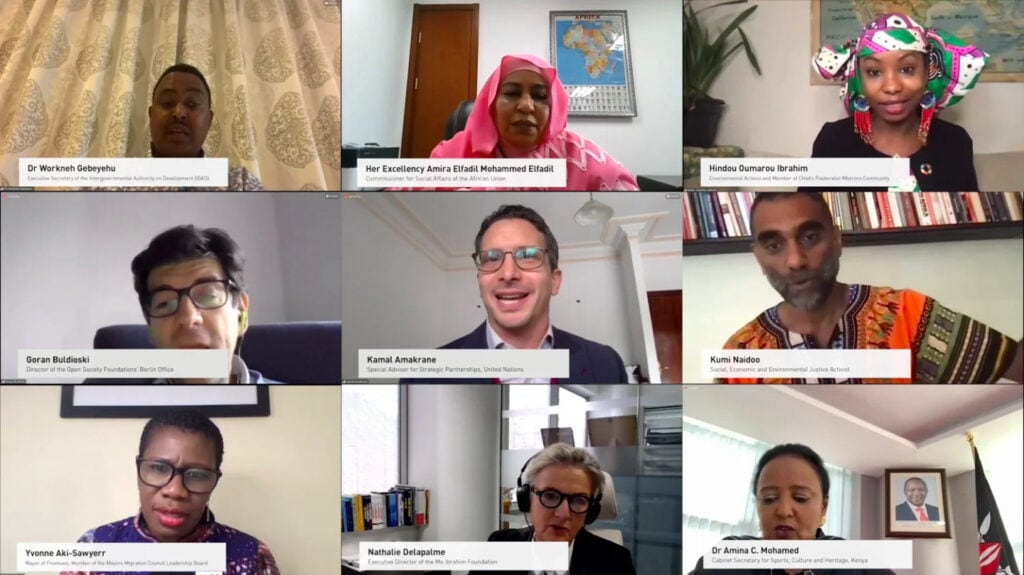
Climate change is forcing more and more people to leave their homes. We analyzed the status quo and discussed possible solutions with stakeholders from Africa and Europe.
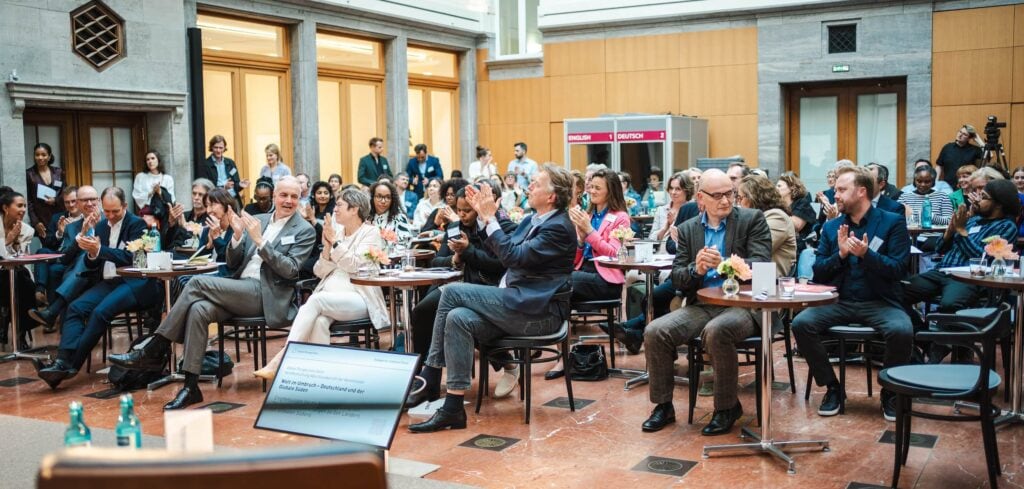
How can Germany's international cooperation become more sustainable? After a year of intensive work, the Commission presented its final report recommendations for discussion.
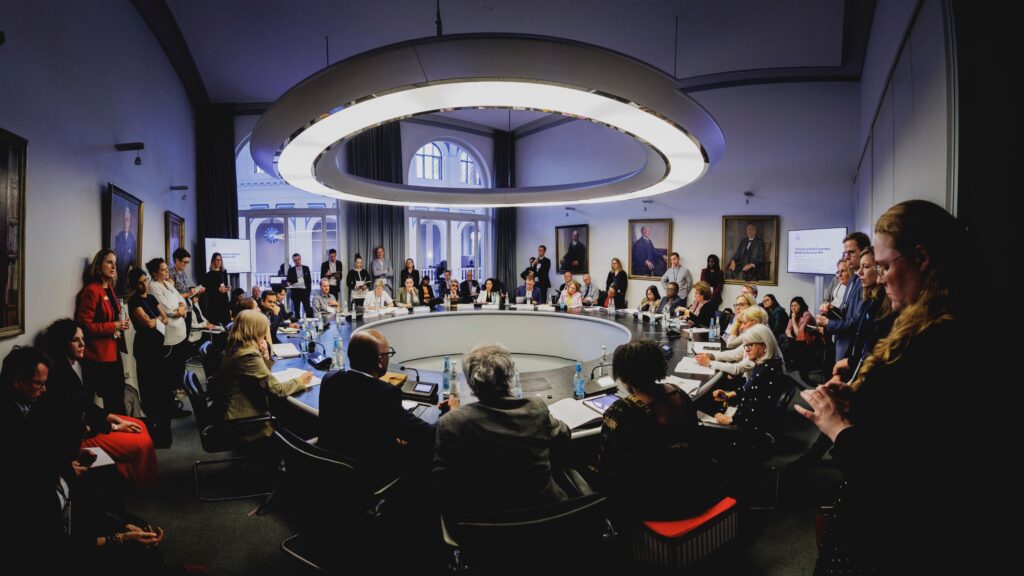
How can Germany build strong, sustainable relationships with countries in the Global South that benefit both sides? At HSC 2025, we continued the dialogue on the Commission's recommendations.
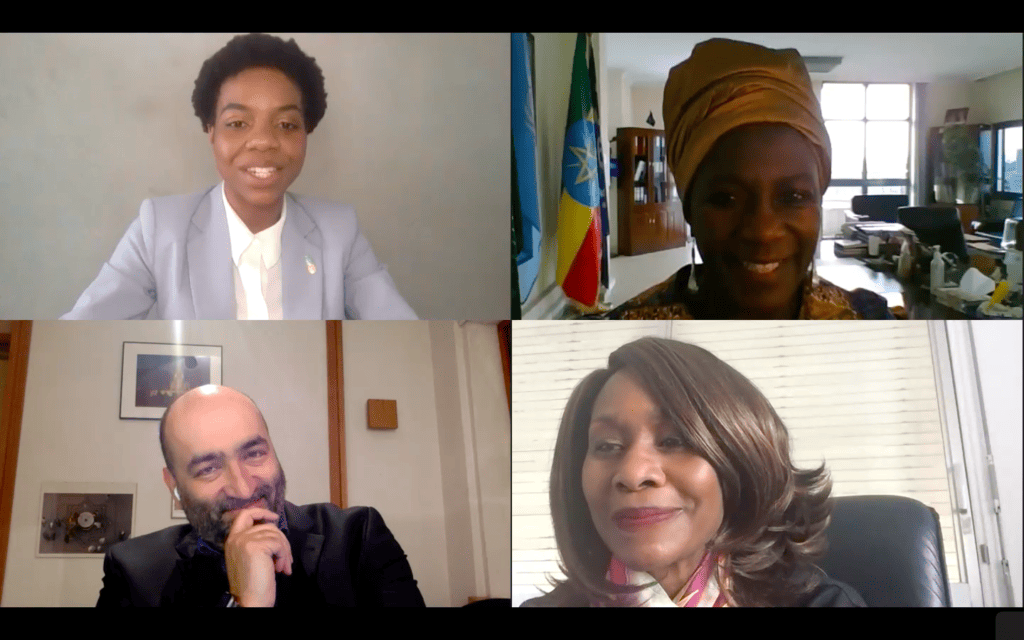
With contributions from Maureen Achieng, Omid Nouripour and H.E. Prof. Judi Wakhungu, we examined measures concerning climate migration and Germany's role in adequately supporting climate migrants.

Together with Bill Gates, Annegret Kramp-Karrenbauer, and other representatives from politics, business and academia, we discussed Germany's new role in the world.
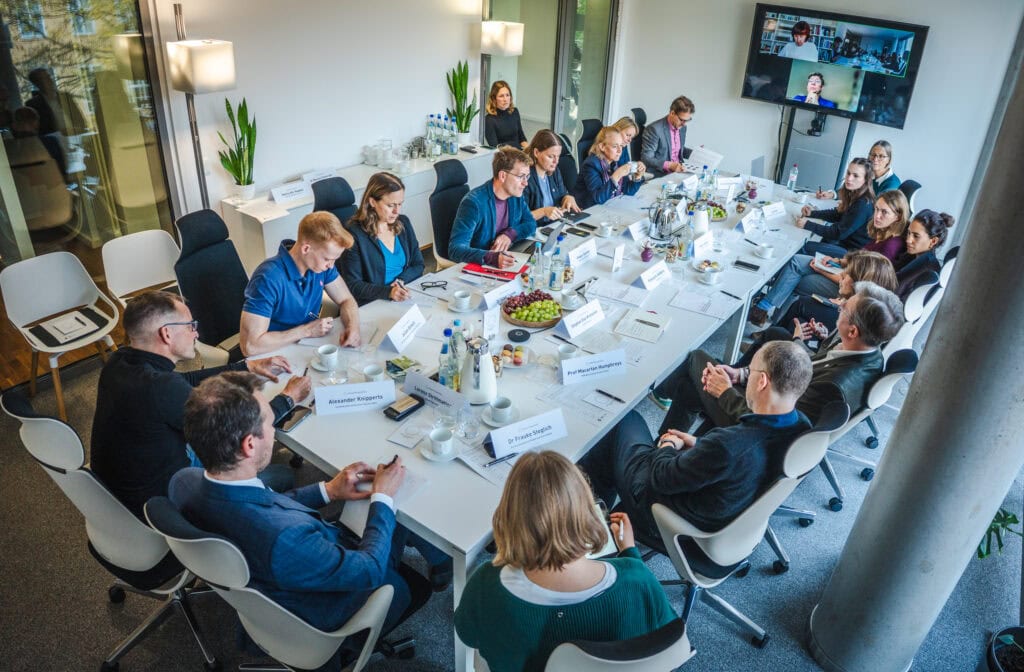
US tariffs changes are causing new uncertainties in global trade. Together with ONE and Pinelopi K. Goldberg, we discussed how international development policy needs to be realigned.
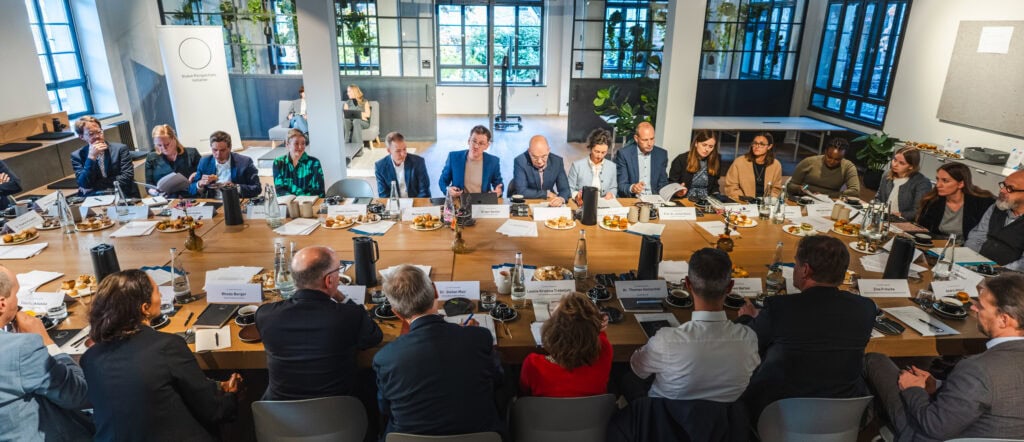
We discussed with State Secretary Niels Annen how development policy can be integrated into networked foreign, security, and economic policies.
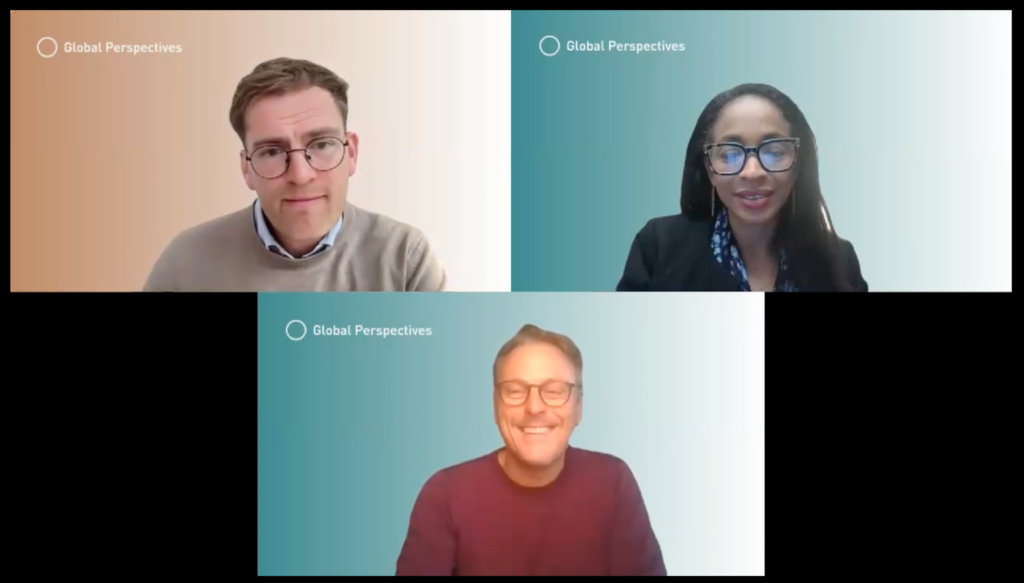
The Summit of the Future and the Hamburg Sustainability Conference attracted worldwide attention. We discussed the implementation of the resolutions into concrete changes.

Forests play a vital role in local economies and global climate protection. In our webinar, we explored how economic growth and environmental protection go hand in hand.

Together with David Miliband, President of the International Rescue Committee we discussed urgent humanitarian aid and new approaches in development and economic cooperation.
Program Archive
What is at stake for Germany and Europe if they do not change course economically? Structural weaknesses, U.S. tariffs, and China’s growing economic power are increasing the tension.
No continent can safeguard its health security alone. Shared health security is therefore a matter of mutual interest. The action recommendations of the tenth conference.
We brought together policymakers and experts at the German Bundestag to discuss how Germany can strengthen Defense, Diplomacy, and Development as equal pillars of its foreign and security policy.
The impacts of climate change are being felt around the world. At the same time, there are reasons for hope. Together with Dr. Ani Dasgupta, we explored why the climate crisis calls for more optimism.
Health security in Europe and Africa is closely interconnected. We discussed stronger collaboration through investment in local production, health equity biotechnology, research, and innovation.
Africa is emerging as a major hub for innovation and artificial intelligence. With leading African voices from Big Tech, academia, and innovation, we highlighted AI innovation across the continent.
Climate policy is security policy. We discussed how Europe can work with countries in the Global South to implement concrete measures that benefit both sides.
At the launch of the Alliance for Integrated Security, we discussed the current geopolitical challenges and identified potential areas of cooperation between Germany and the Global South.
As global conflicts increase and uncertainty rises, Europe and Germany must take greater responsibility for their future and adopt a broader approach to security.