Politics Briefing
Africa in the German Federal Elections
In Between a Continent of Opportunities and Challenges of Migration
Politics Briefing: Africa in the German Federal Elections
May 17, 2017
Paul-Löbe-Haus, German Bundestag
Placing Africa Policy in the German parliamentary election campaign might prove to be challenging, especially with regard to demographic developments on the African continent. In order to identify strategies for dealing with current demographic trends and dynamics, we discussed the latest international research findings on population development and migration as part of a parliamentary dialogue. Where are the major demographic challenges and where lie opportunities?
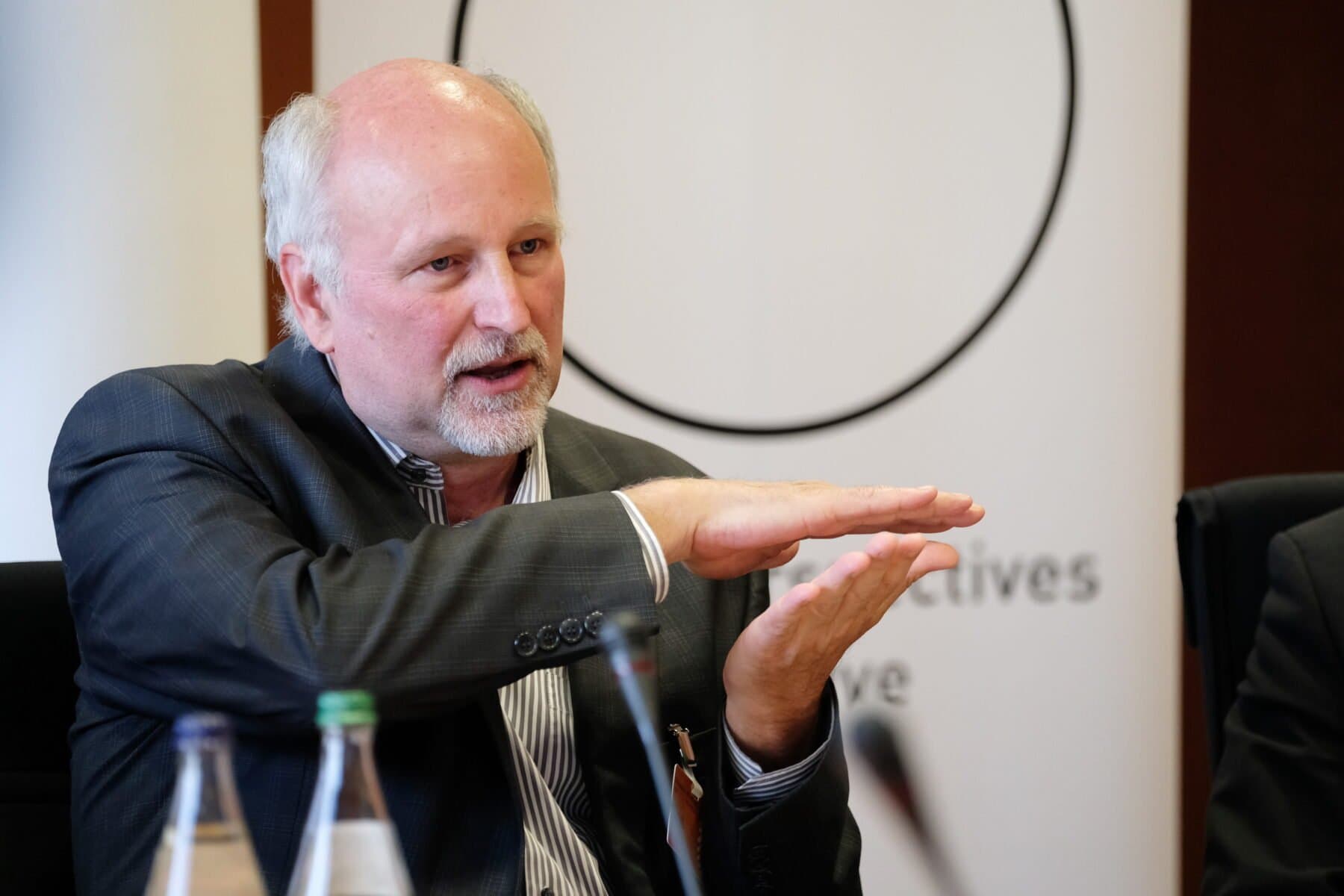
Africa in the German Federal Elections: In Between a Continent of Opportunities and Challenges of Migration
How can we communicate and cooperate with our neighbouring continent in an opportunity-oriented and realistic way?
With impulses from Prof. Dr. Susanne Fengler, Director of the Erich Brost Institute for International Journalism, and Prof. Dr. Wolfgang Lutz, Founder und Director of the Wittgenstein Centre for Demography and Global Human Capital, we explored communicative hurdles and pitfalls when discussing relations with the African continent in Germany. How can we communicate with our neighbouring continent in an opportunity-oriented way without ignoring realities, and what lessons can we learn from the past?
Moderation
Contact Persons
Gregor Darmer, g.darmer@globalperspectives.org
Politics Briefing
Politics Briefing foster professional dialogue with policymakers. This format is aimed particularly at members of the Bundestag, but also at political actors in government, ministries or political foundations.
Related Program
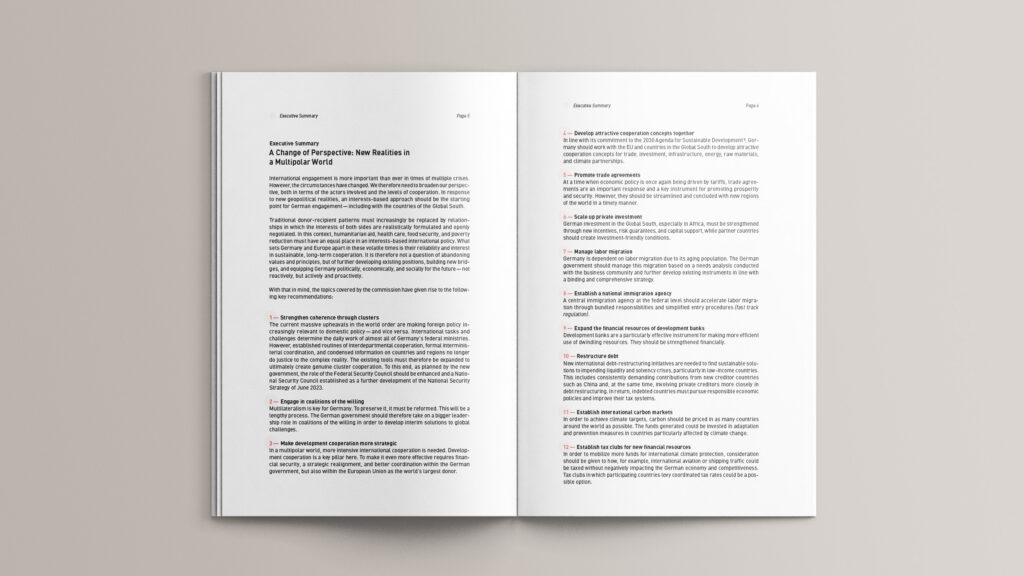
The Commission “A Changing World – Germany and the Global South” presents its recommendations as a basis for addressing key strategic decisions facing Germany today.

The Commission "A Changing World - Germany and the Global South", chaired by Annegret Kramp-Karrenbauer, presents its first impulses ahead of the German federal elections in 2025.
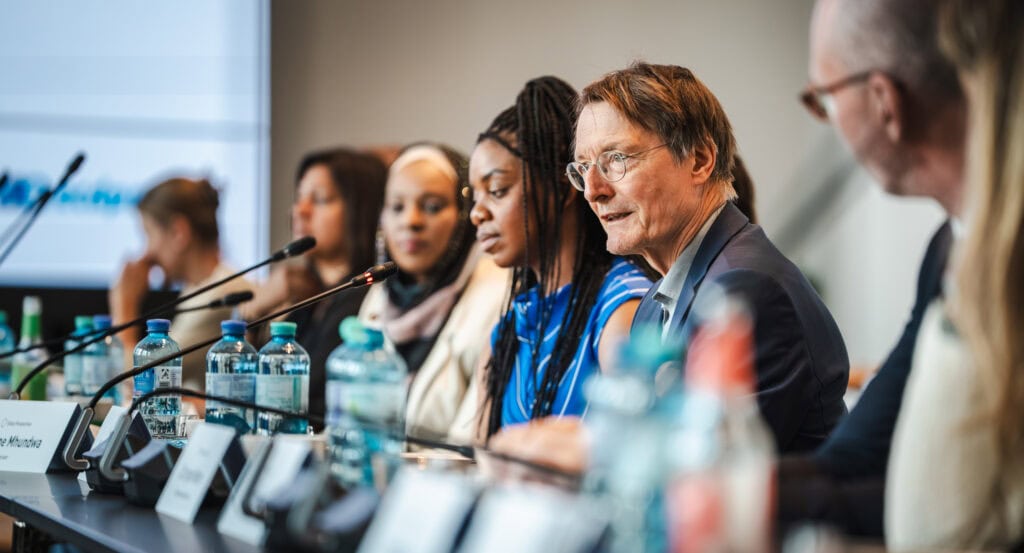
Health security in Europe and Africa is closely interconnected. We discussed stronger collaboration through investment in local production, health equity biotechnology, research, and innovation.
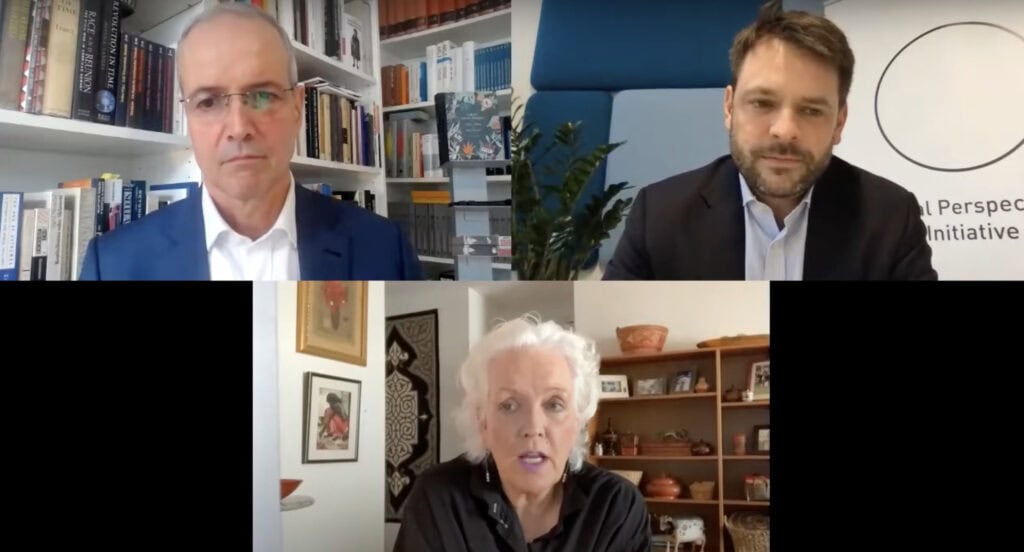
The upcoming U.S. elections are crucial for the future of multilateralism. Together with our experts, we discussed the implications of the two scenarios for the Global South.

The distribution of power in the international system is changing. We interviewed 10 experts from the so-called 'Global South' to get their insight into their perception of Germany's role.
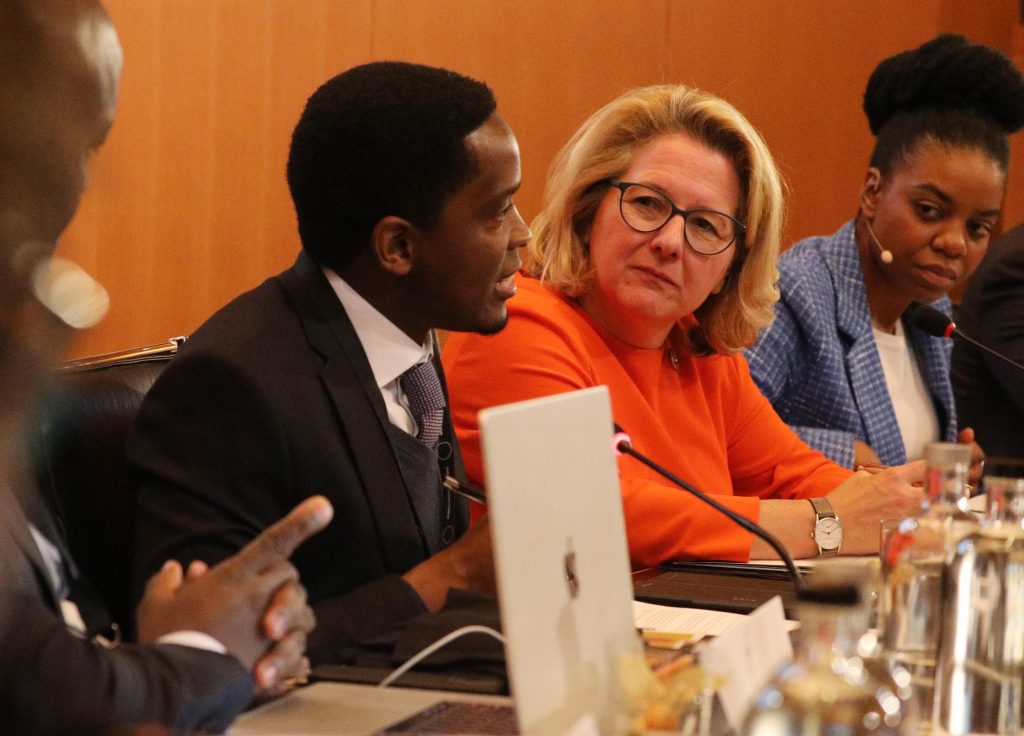
The fifth edition of The Africa Roundtable focussed on employability, skills and training and examine the possibilities of equal education and training for Africa's youth.

The second edition of The Africa Roundtable focussed on recovery, preparedness, and resilience in times of crises. It examined new possibilities for sustainable European-African cooperation.
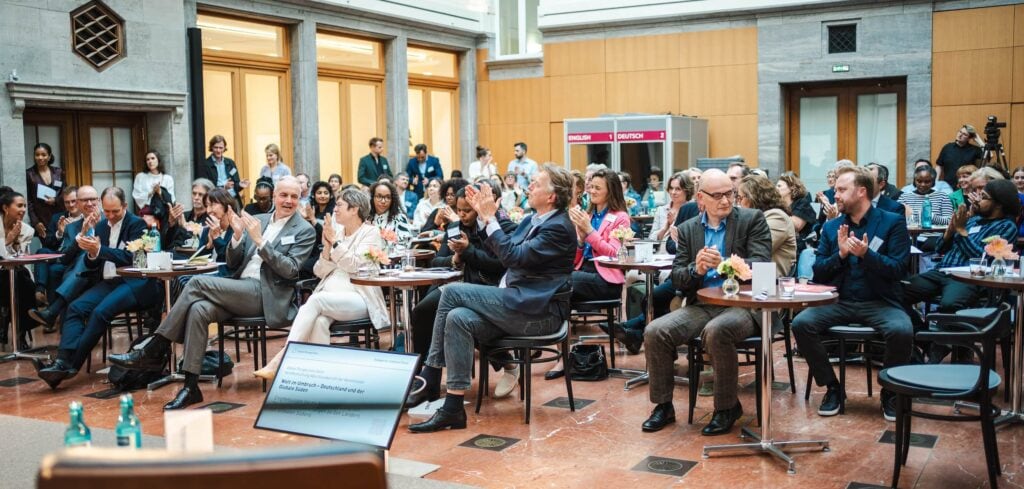
How can Germany's international cooperation become more sustainable? After a year of intensive work, the Commission presented its final report recommendations for discussion.
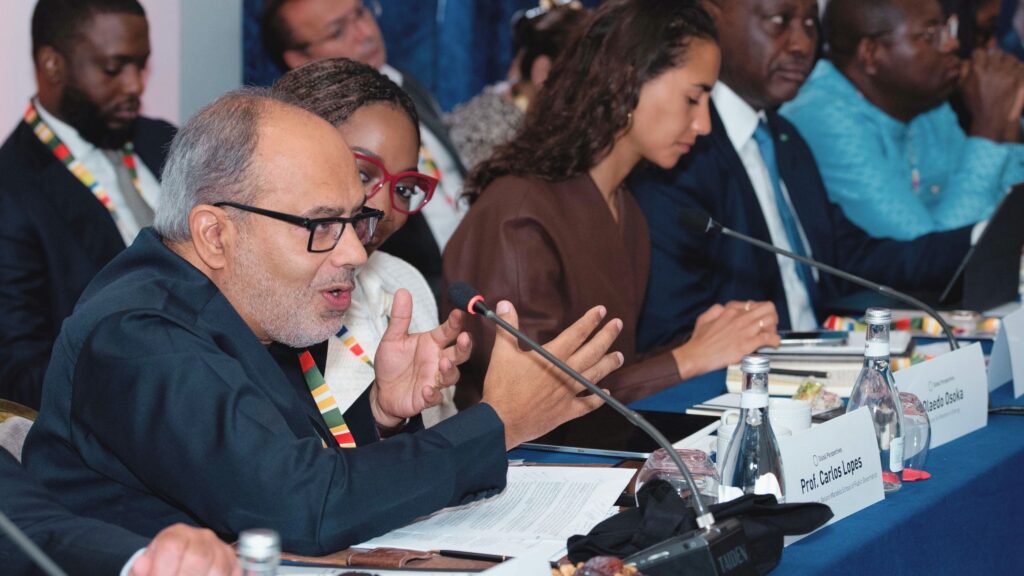
At the eighth edition of The Africa Roundtable, we discussed how to rethink and strengthen sustainable finance in Africa through strategic partnerships with Europe.

We are at a turning point in European-African economic relations. The action recommendations of the fourth conference.
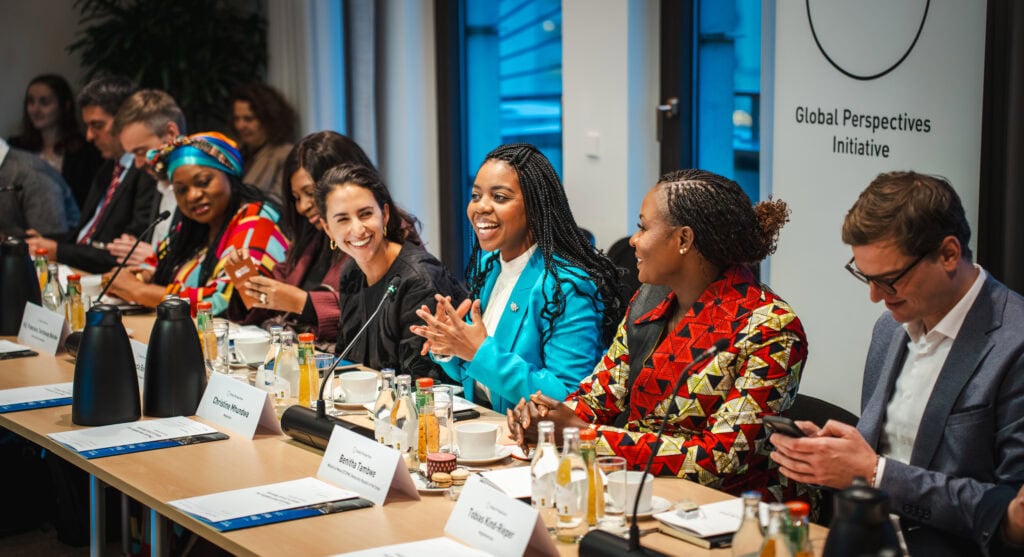
In the ninth edition of the Africa Roundtable, we discussed how Europe and Africa build partnerships that turn Africa's raw material wealth into local value creation.

The sixth edition of the Africa Roundtable focuses on how the African continent can unlock its full potential as an agricultural powerhouse.

Geopolitics and the shortage of natural resources underline the necessity of sustainable and forward-thinking cooperation between the neighbouring continents Europe and Africa.

As the side event to the annual Ibrahim Governance Weekend, we aim to identify the opportunities to deepen trade and investment relations as well as leveraging private and institutional funding.
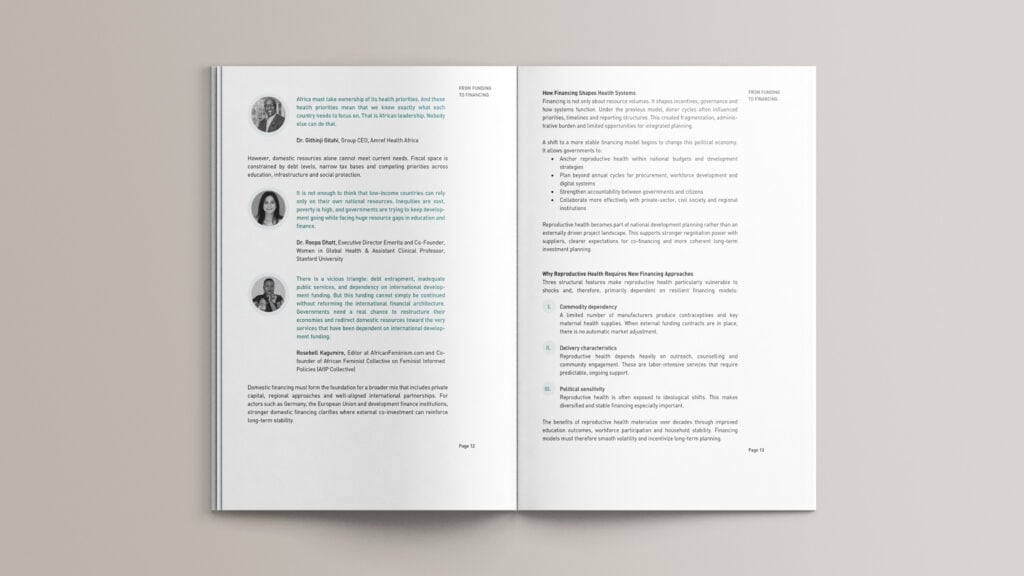
This interview publication reviews the effects of recent cuts in reproductive health, presents practical options for funding and service delivery, and offers guidance for policymakers and investors.
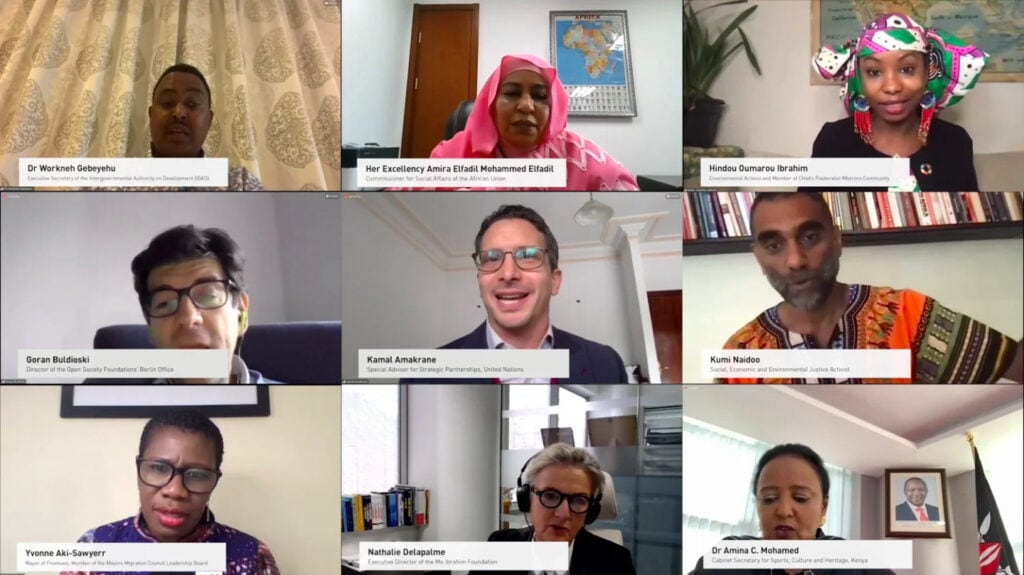
Climate change is forcing more and more people to leave their homes. We analyzed the status quo and discussed possible solutions with stakeholders from Africa and Europe.
Program Archive
What is at stake for Germany and Europe if they do not change course economically? Structural weaknesses, U.S. tariffs, and China’s growing economic power are increasing the tension.
No continent can safeguard its health security alone. Shared health security is therefore a matter of mutual interest. The action recommendations of the tenth conference.
We brought together policymakers and experts at the German Bundestag to discuss how Germany can strengthen Defense, Diplomacy, and Development as equal pillars of its foreign and security policy.
The impacts of climate change are being felt around the world. At the same time, there are reasons for hope. Together with Dr. Ani Dasgupta, we explored why the climate crisis calls for more optimism.
Health security in Europe and Africa is closely interconnected. We discussed stronger collaboration through investment in local production, health equity biotechnology, research, and innovation.
Africa is emerging as a major hub for innovation and artificial intelligence. With leading African voices from Big Tech, academia, and innovation, we highlighted AI innovation across the continent.
Climate policy is security policy. We discussed how Europe can work with countries in the Global South to implement concrete measures that benefit both sides.
At the launch of the Alliance for Integrated Security, we discussed the current geopolitical challenges and identified potential areas of cooperation between Germany and the Global South.
As global conflicts increase and uncertainty rises, Europe and Germany must take greater responsibility for their future and adopt a broader approach to security.